Posted on

Mastitis Study

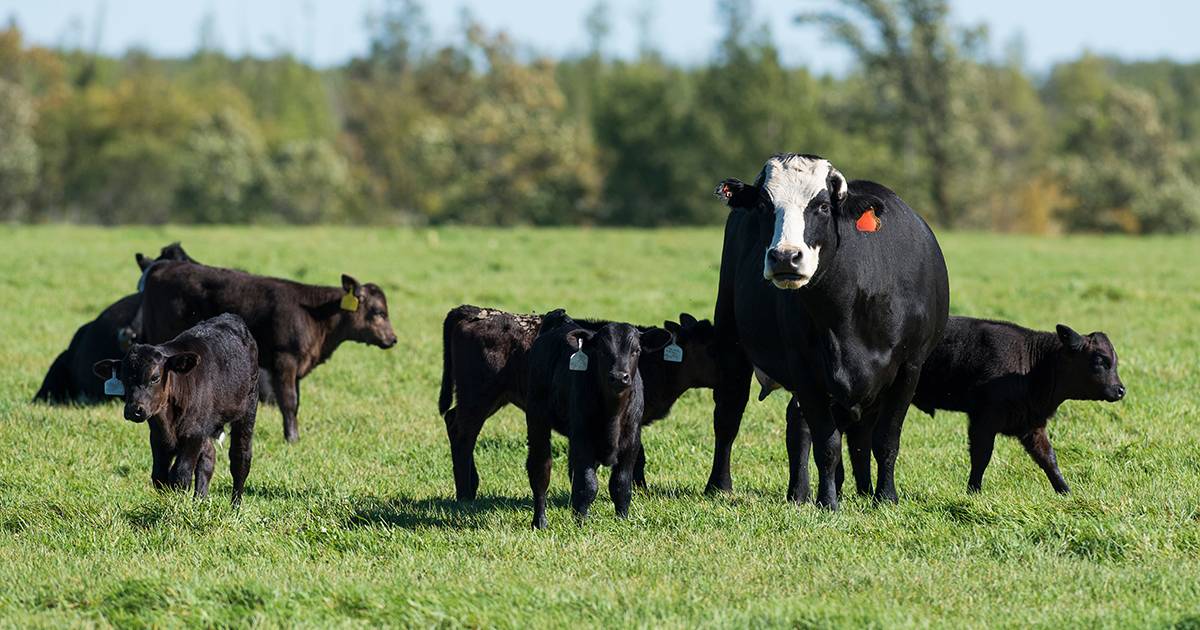
Mastitis Study Dairy Cattle.

Dairy Study: Somatic Cell Reduction

MASTITIS STUDY KEY POINTS:

  • Somatic Cell Count Reduction: 59.7%
  • OMRI Listed Product

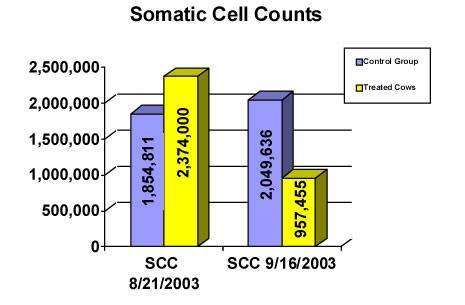
A study on somatic cell counts was conducted involving 26 cows with chronically high somatic cell counts. Thirteen cows were randomly assigned to the study group, while the other thirteen formed the control group. Initial testing on August 21, 2003, revealed that the control group had an average somatic cell count of 1,854,811, while the treatment group had an average count of 2,374,000.

During the 60-day study period, the control group received standard mastitis treatment protocols. In contrast, the cows in the study group were given one ounce of Ramaekers Livestock Stress Stable daily for three days, followed by three days off, for a total of three cycles (nine treatments).

Somatic cell count testing was repeated on September 18, 2003. The control group experienced a 10.5% increase in somatic cell counts, whereas the study group saw a significant decrease of 59.7%. This results in a 70.2% improvement in somatic cell counts when compared to the control group.

Of the treated cows, nine returned to production, while only one cow from the control group recovered after receiving heavy medication.

Summary: Mastitis Study

Mastitis Study. Somatic Cell Counts.

Using an OMRI-listed immune support product can be more effective than drug therapy for mastitis. Ideally, immune support products like LSSS should be used as preventative measures. Additionally, there are no withdrawal times associated with LSSS.


Learn More about our Bovine Products
Posted on

Improved Embryo Quality and Quantity

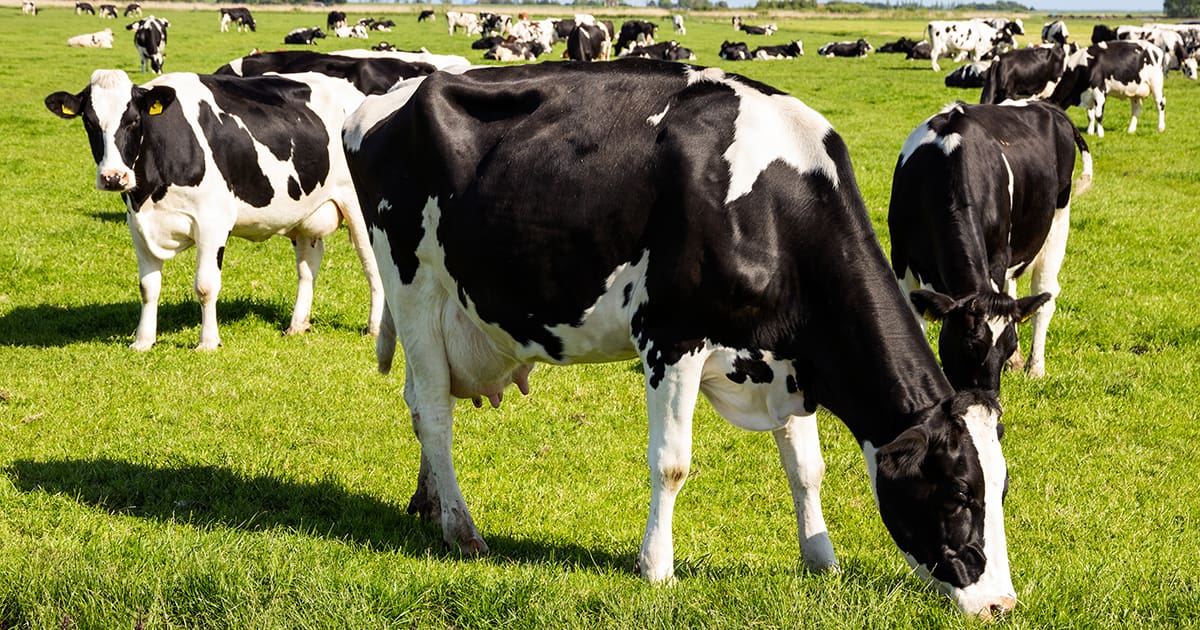
Improved Embryo Quality and Quantity.

Improved Embryo Quality and Quantity

Ken and Julie Tew own the Sutton Creek Cattle Company, a full-service Wagyu cattle ranch. Ken is the past president of the American Wagyu Association, and Julie is presently on the board of directors.

The farm has a USDA-approved embryo quarantine facility approved for most countries worldwide, and they sell embryos worldwide.

Since 2008, they have used Ramaekers Adult Immune Primer Immune Support for stress management. They have experienced improved wellness in their cow-calf process.

In the ET operation, they have observed an increase in the average number of embryos, and the embryo quality has shown significant improvement.

Until using Dr. Ramaekers’ reproduction protocols, they had never had a flush with 100% of number-one-quality embryos. Now, using Ramaekers Adult Immune Primer Immune Support, 100% #1s are more common than not.

Fertility Study with Ramaekers Livestock Product

6/3/2009

Takana – 143 Wagyu donor cow. Using Ramaekers Adult Immune Primer Immune Support in our embryo production program has increased quality embryo recovery by 35%!

Update: Fertility Study with Ramaekers Livestock Product

06/19/12

Using Ramaekers Adult Immune Primer Immune Support on Takana–143, a 7-year-old Wagyu donor cow. The flush results returned 53 embryos, of which 39 were #1 quality. Julie says they’ve never used a better product for Improved Embryo Quality and Quantity and have been more than happy with the results.

Julie Barnes

Sutton Creek Cattle Company

LLC Baker City, Oregon

Embryo Flush. Adult Immune Primer Immune Support for Livestock.

Learn More about our Bovine Products
Posted on

Fort Bidwell Study

Fort Bidwell Study, Calf Scours.

Calf Scours Study, 2002

Fort Bidwell Study Findings:

  • 100% reduction in scours
  • increased weaning weights
  • increased weight post-weaning
  • OMRI Listed Product

History:

The Fort Bidwell region encompasses the northeastern corner of California, as well as adjacent areas of Oregon and Nevada. Ranching in the Fort Bidwell area primarily consists of private ranches that utilize Bureau of Land Management ranges for grazing beef cattle.

Severe annual calf illness (up to 100% scours) and death (up to 37%) had been observed annually from 1990 to 2001 in a 1200-head cow-calf operation, and years of treatment with numerous antibiotics in several combinations proved unsuccessful. The ranchers had also worked repeatedly with the University of California, Davis College of Veterinary Medicine, and the Washington State College of Veterinary Medicine to ascertain the source of the severe scours that plagued the area. An autogenous bacterin had been developed from the highly resistant strain of enterohemorrhagic E. Coli isolated from local cattle. The effectiveness of this vaccine diminished over time.

The incidence of scour skyrocketed during times of rain, temperature fluctuations, cold stress, and difficulty calving.

The Study:

In January 2002, fifty cows were assigned to the calving study. At birth, the calves were ear-tagged and randomly assigned to either the Treatment group or the Control group.

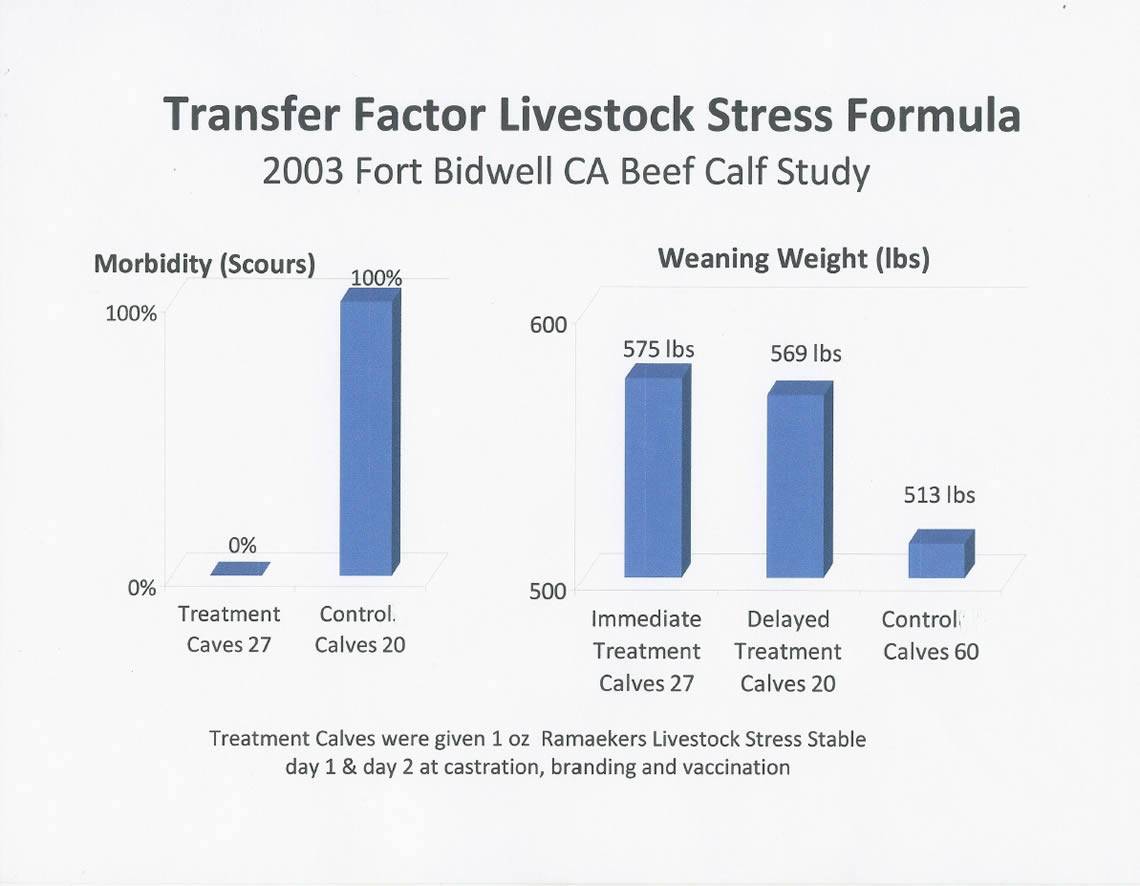
On days 1 and 2 after birth, the twenty-seven calves in the treatment group received a dose of Ramaekers NEWBORN IMMUNE PRIMER. The twenty calves in the untreated group served as controls.

All calves were branded and vaccinated at 2 to 3 months of age, and the bull calves were castrated. The Treatment group received another dose of IMMUNE PRIMER, while the Control group received nothing. The study calves with their dams were mixed with other cows with calves and cows still due from multiple herds and turned out onto BLM land around April 15th.

After grazing for 5 months, all the calves were returned to the local ranchland for weaning and vaccines, and the Treatment group received one more dose of ADULT IMMUNE PRIMER.

Results & Discussion:

Within the first week of life, 100% of the control calves develop diarrhea, commonly referred to as scours. NONE of the treatment groups experienced any signs of scours.

After observing the difference between the two groups, the ranch owner DEMANDED that the protocol be broken and that the control calves receive IMMUNE PRIMER. The Control calves were given IMMUNE PRIMER for 3 days, after which the diarrhea stopped. This group became designated the Delayed-Treatment group, and the original treatment was renamed the Immediate-Treatment group.

A neighboring herd with similar genetics, herd management, calving times, branding, and a vaccination schedule was now designated as the Control Herd. The only difference was that the Control herd calved at a higher altitude and had a drier climate than the treatment herd, and did not receive the Ramaekers IMMUNE PRIMER formulas.

All the ranchers noted that the Treated calves were easily identifiable, with an estimated 5% to 7% heavier body weight and a more vibrant coat than the untreated calves.

Average Weaning Weights (in pounds)
 heiferssteers
Immediate-Treatment555594
Delayed-Treatment547589
Control Group500525

The calves were hay-fed for 25 days after weaning and then sold. Combined Group weight averages are as follows:

 All TreatsAll Control
Weaning weight570514
weaning + 1 month611550
weight gain4136

Fort Bidwell Study Summary & Conclusions:

  • Starting at birth, the NEWBORN IMMUNE PRIMER formula proved valuable and economical for preventing and treating calf scours.
  • Placing the calf’s immune system on a high alert level against impending pathogens proved successful.
  • Strategically using immune supplementation to establish a wellness platform early in life is key to overall health and performance.
  • IMMUNE PRIMER is efficient and reliable as a new technology in the area of Wellness Management tools.

Fort Bidwell Graph


Learn More about our Bovine Products
Posted on

Embryo Quality Characteristics

Embryo Quality Characteristics.

Characteristics of Superovulated Cows: Treatment with Nutrition

Horizons Nutrition Factor Immune Product (NHNFI)
G.H.L. Marquezinia, V.R.G. Mercadantea, M.M. Wardb, A.R. Spell,
J. Carter, N. Paton, G. C. Lamb
North Florida Research and Education Center, University of Florida, Marianna, FL;
Nutrition Horizons, Lewisburg, OH;
Applied Reproduction Resources, Daphne, AL

Embryo Quality Characteristics: Summary

We evaluated the effects of the Nutrition Horizons Nutrition Factor Immune Product (NHNFI) on the quality, stage, and fertilization rate of embryos recovered from embryo donor cows. The cows were superovulated using follicle-stimulating hormone (NIH-FSH-P1) and were stratified by breed before being randomly assigned to one of two treatment groups:

1) The NHNFI group, which received six boluses of the product (n = 35).
2) The Control group, which received six placebo boluses containing wheat middlings (n = 37).

All donor cows underwent the same superovulation protocol. This was initiated by the insertion of a CIDR on day 0, followed by eight injections of FSH administered every 12 hours starting on day 4, and two injections of PGF administered 12 hours apart on day 7. Cows were artificially inseminated (AI) at 0 hours (with one unit of semen) and at 12 hours (with two units of semen) after detecting estrus. Boluses were administered into the esophagus using a balling gun, with two boluses given over three days: at CIDR insertion (day 0), at the first FSH injection (day 4), and at the third FSH injection (day 5).

Embryos were collected 7 days after the first detected estrus by a single embryo technician using a nonsurgical embryo collection procedure. The collected embryos were evaluated under a stereomicroscope and classified by stage and quality.

The total number of ova and transferable embryos collected per flush was not significantly different between the NHNFI and Control groups. The mean percentages of grade 1 and 2 embryos in stages 4, 5, or 6 were similar across treatments. Additionally, there were no differences in the number of degenerated or unfertilized embryos between the groups. However, the percentage of grade 1 embryos collected from the recovered transferable embryos tended to be higher (P = 0.062) for the NHNFI group (39.4%) compared to the Control group (23.4%). Conversely, the percentage of grade 2 embryos collected from the recovered transferable embryos was significantly greater (P < 0.05) for the Control group (76.6%) than for the NHNFI group (59.9%).

In conclusion, while the number of transferable embryos collected per flush did not differ between treatments, the quality of the transferable embryos was improved in donor cows that received NHNFI prior to embryo collection.

Embryo Quality Characteristics: Materials and Methods

Animals and Superovulation

Seventy-two embryo donor cows located in Marianna, FL, underwent a superovulation protocol. On day 0, the cows received a 2 mL combination injection containing estradiol and progesterone, along with a CIDR insert that contained 1.38 g of progesterone (Pfizer Animal Health, New York, NY).

On day 4, the cows were stimulated with eight decreasing doses of follicle-stimulating hormone (NIH-FSH-P1, Folltropin®-V, Bioniche Animal Health USA, Inc., Athens, GA), administered twice daily, 12 hours apart, over 4 consecutive days. Prostaglandin (PGF2α, 25 mg, Lutalyse, Pfizer Animal Health, New York, NY) was given 12 hours apart on day 7 of the protocol.

The cows were inseminated with a single unit of semen at the first observed estrus, followed by artificial insemination (AI) with two units of semen 12 hours later. All semen used in this experiment was collected and frozen by a certified service company following the guidelines of the North American Association of Animal Breeders.

Treatments

Rumen boluses were prepared using two different treatments: 1) the Nutrition Horizons Nutrition Factor Immune product (NHNFI) and 2) placebo boluses containing wheat middlings (Control). The boluses were inserted into the esophagus of each cow with a balling gun. Each cow received two boluses over three days: the first was administered at CIDR insertion (day 0), and the second was given during the first (day 4) and third (day 5) injections of FSH. After stratifying the cows by breed, they were assigned to either the NHNFI group (n = 35) or the Control group (n = 37). Two cows in the NHNFI treatment group did not respond to superstimulation and were excluded from the analyses.

Embryos were collected seven days after the first detected estrus. A single embryo technician performed a nonsurgical embryo collection procedure, and the embryos were evaluated under a stereomicroscope. The technician and the embryologist were blind to the treatments. Each embryo was assigned a developmental stage and quality grade according to the standards established by the International Embryo Transfer Society (Savoy, IL). The developmental stage codes were as follows: 4 = morula; 5 = early blastocyst; 6 = blastocyst; and 7 = expanded blastocyst. The quality codes were: 1 = symmetrical and spherical embryo mass with uniform blastomeres in size, color, and density, with at least 85% of the cellular material intact (excellent or good); 2 = moderate irregularities in the overall shape of the embryonic mass or in the size, color, and density of individual cells, with at least 50% of the cellular material intact (fair); 4 = dead or degenerating; and 5 = unfertilized.

Results

Table 1 summarizes the characteristics of superovulation and embryo quality. There were no differences in the total number of ova and transferable ova per flush between the NHNFI and Control groups. Additionally, the mean grades of embryos (grades 1 and 2, stages 4, 5, or 6) were similar across both treatments. No differences were observed in the number of degenerated or unfertilized embryos between the two groups.

However, there was a tendency for a greater percentage of grade 1 embryos collected compared to the total number of transferable embryos for the NHNFI group (39.4%) than for the Control group (23.4%), with a p-value of 0.062. On the other hand, the percentage of grade 2 embryos collected compared to the total number of transferable embryos was significantly higher for the Control group (76.6%) than for the NHNFI group (59.9%), with a p-value of less than 0.05.

This suggests that while the Control group has a higher percentage of grade 2 embryos, the NHNFI treatment may lead to an increased percentage of higher-quality grade 1 embryos compared to the controls.

Conclusion: Embryo Quality Characteristics

We can conclude that the number of transferable embryos collected per flush did not differ between treatments; however, the quality of transferable embryos was improved after embryo donor cows received NHNFI prior to embryo collection.

Fertility Research Report Conclusion

Learn More about our Bovine Products

Posted on

Don Bond Feedlot Study

Don Bond Feedlot Study

Don Bond Feedlot Study evaluates profit for a sixty-cow herd of black Angus in Vernon, Texas. These calves are in the Coleman natural beef program, with a bonus of 100 plus 35 dollars from the Certified Angus Beef Association for nonuse antibiotics. Don Bond has a history of four years from the exact genetics of his 60-cow herd to evaluate the effect of STOCKER/ADULT IMMUNE PRIMER.

Don Bond Feedlot Study: The product was given at weaning at one ounce daily for three days, along with routine processing, vaccination, castrating, and worming. Calves were back-grounded for roughly six weeks before traveling to the local feedlot for finishing. Don Bond retains ownership and has provided complete records with closeout comparisons for the past four years. I have calculated the financial advantage of using STOCKER/ADULT IMMUNE PRIMER on a per-head basis.

Financial Advantage

 This year on product3 year averageFinancial advantage
% grading choice( calculating 12 cents per pound bonus for choice vs select on 1300 pound animal)92.785.3$11.54
Certified Angus beef bonus for choice  $2.59
Dressing % (calculating $1.36 per pound hot carcass)61.762.8<$11.96>
%sick and treated with antibiotics ( Calculated at 1.5 treatments at $20 per treat)621.3$4.59
% death loss (calculated at a 500-pound animal at $1.35 per pound)1.61.96$3.06
Medical cost ( antibiotic cost )$1.22$7.51$6.19
Average daily gain( calculated on 800 # of gain)3.162.83$83.49
Yard cost savings on 30 days( 253 on feed vs. 283 days at $.25 cents per day)  $7.50
Coleman dropout and CAB loss at $135 per head because of the use of antibiotics.  $20.65
  TOTAL$127.61
Subtract cost of five ounces of product ( $7.00 per ounce )  -$35.00
 Net profit per head advantage$92.61

Bovine Feedlots

A bovine feedlot is a large, fenced area where cattle are kept and fed a grain-based diet until they are ready for slaughter:

Purpose

Feedlots are used to ensure cattle reach a specific weight and provide consistent meat quality and quantity. 

Location

Feedlots can be outdoor or indoor, depending on the climate: 

Outdoor: These feedlots are standard in drier climates with large expanses of land, such as Texas, Nebraska, and eastern Colorado. 

Indoor: These feedlots are standard in areas with higher rainfall and are typically smaller than outdoor feedlots. They have walls and roofs and often have slatted floors to allow manure and other waste to pass through.

Cattle

Cattle are fed a mix of grain, silage, hay, and protein supplements. Their average daily weight gain is between 2.5 and 4 pounds. 

Length of stay

Depending on their weight, cattle may spend a few months to nearly a year in a feedlot. The typical stay is slightly less than six months. 

Size

Feedlots can contain tens of thousands of animals. 

Labeling

Beef products labeled “grain-fed” come from cattle that have spent an average of 50 to 120 days in a feedlot. 

Feedlots are also known as animal feeding operations (AFOs) or concentrated animal feeding operations (CAFOs).


Learn More about our Bovine Products
Posted on

Crescent Harbor Ranch

Crescent Harbor Ranch.

Crescent Harbor Ranch – Oak Harbor, WA
Flush and Conception Data 2008 – 2009

Crescent Harbor Ranch has been breeding Wagyu cattle since 1993, when it imported the first full-blooded Wagyu females into the U.S. Crescent Harbor also acquired genetics from the next six importations, building the herd’s composition primarily of Tajima strains.

Focus on Excellent Genetics

Crescent Harbor Ranch produces the highest marbling fullblood sires and dams using Fukutsuru 068, Sanjirou, Michifuku, and Takazakura – the top 4 U.S. bulls in the 2001 National Wagyu Sire Summary – as well as Kitaguni Jr., whose sire, Kitaguni 7/8, won the last all-Japan carcass contest. Plus, the usage of Hirashige Tayasu, who sired the most registered full blood progeny in Australia.

The ranch has an on-site embryo transfer facility. The USDA inspects and licenses embryo production and export.

What are Wagyu?

In Japan, some of the most prized and expensive beef is Wagyu, or what is called Kobe Beef. Stories of massaging cattle or feeding them beer are legendary if true. What is indeed true is the quality and flavor of Wagyu beef and the pride of the Japanese people, who revere this delicacy so much it was declared a national treasure.

The marbling of Wagyu is unparalleled in any other breed in the world. When cooked, the servings are tender, juicy, and full of flavor, surpassing even the prime-graded cuts in the U.S. Now, this same breed of Japanese beef cattle is raised in America and ready for your table.

Table 1: Recipient Cows Average Conception History

Creascent Harbor Ranch

Table 2: Current Flush Stats Since Implementing Livestock Stress Stable

Creascent Harbor Ranch

Feeding Instructions:

Creascent Harbor Ranch

Donor Schedule with a CIDR

Creascent Harbor Ranch

Donor Schedule with a Marker Heat

Creascent Harbor Ranch

Recipient Schedule after Estrus Synch with CO-Synch/Ovsynch

Creascent Harbor Ranch

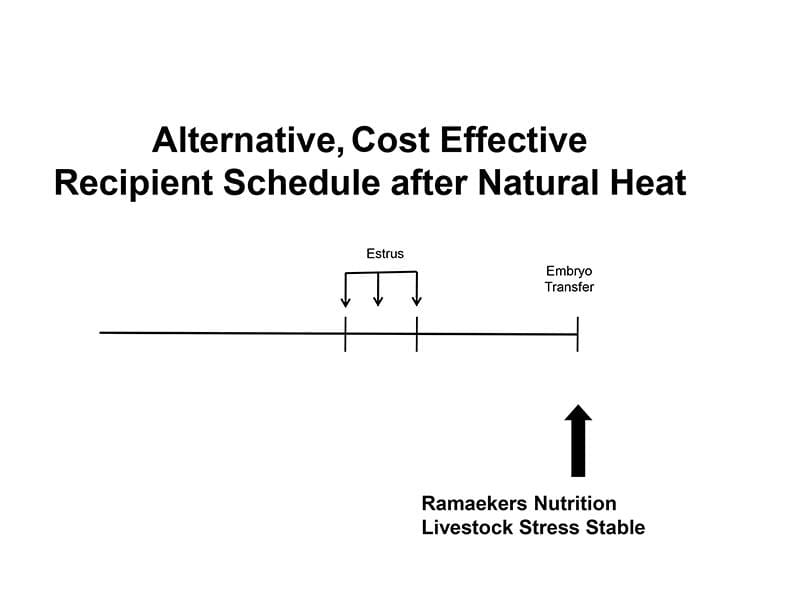
Alternative, Cost-Effective Recipient Schedule after Natural Heat

Creascent Harbor Ranch

Crescent Harbor Ranch Summary

Creascent Harbor Ranch

Learn More about our Bovine Products
Posted on

Colorado Natural Beef Study

Colorado Natural Beef Study.

October 2004

Colorado Natural Beef Study Findings:

  • 66% Reduction in sick cattle (BOVINE RESPIRATORY DISEASE)
  • INCREASED AVERAGE DAILY GAIN
  • 100% Reduction in Deaths
  • OMRI Listed Product

A study was conducted on Black Angus steers shipped from Oregon to Greeley, Colorado. Study calves (419 heads) were given Ramaekers Stocker/Adult Immune Primer by bolus on day 1 and blended with the feed on days 2, 3, and 12. Control calves (180 head) were given a placebo on an identical schedule. Both groups received the same vaccines and worming.

Weights, illnesses, and deaths were tracked for 30 days. The results revealed a 1.2-pound-per-day advantage for the treated calves and a 66% reduction in illness. The control group experienced 12 deaths due to Bovine Respiratory Disease compared with 0 deaths in the cattle treated with Ramaekers Immune Primer Formula.

Follow-up: Immediately following the study period, all cattle were backgrounded on corn stalks for approximately six weeks. During this time, the control group appeared to catch up with the treated group in body weight; however, after being placed on full rations, the treated group ultimately gained an estimated 70 pounds of extra gross weight.

Colorado Natural Beef Study Summary:

  • Investing early with Ramaekers Immune Primer Formula promotes early Immune Education and Immune System Activation, leading to healthier animals and increased profits.
  • In this and several other studies, we have demonstrated that when immune function is optimized, the animal can perform up to or beyond its genetic potential.
  • An OMRI-approved product can prevent an expensive program from dropping out!
Colorado Natural Beef Study, 2004

Learn More about our Bovine Products
Posted on

Chisholm Cattle Company, LLC

Chisholm Cattle Company, LLC.

Hi Dr. Slagle,

I thought you would be interested to know the results of Chisholm Cattle Company, LLC’s recent flushes:

On 3/18/11, #5 provided us with 21, with no unfertile or degenerate results. This was her first ever flush. On 5/24/12, she gave us 21 with six degenerates, a net of 15. Then we put her on Ramaekers Nutrition Livestock Stress Pack and gave her a MultiMin shot. We flushed her again on 7/20/12. The weather was much warmer, but she gave us 23, with one unfertile and one degenerate, a net total of 21.

On 5/26/10, #11 gave us 6 with no unfertile or degenerate results. This was her first ever flush. On 5/24/12, she gave us 7 with no unfertile or degenerate. Then we put her on Ramaekers Nutrition Livestock Stress Pack, gave her a MultiMin shot, and the embryologist also increased the hormone dosage. We flushed her again on 7/21/12, and she gave us 9 with one degenerate, a net total of 8.

Thus, between the two cows, we received seven more embryos on the second flush by using your product despite the hot weather. We also used it on a first-time flush of our #8 on July 20, 2012. She gave us 26, with three unfertile and four degenerate, a net total of 19. Since this was three times the average, we were also pleased with her results.

Are there discounts available if we decide to order a larger quantity of the Adult Immune Primer Sustained Release with Minerals slow-release boluses?

Thanks,
Joan Chisholm
www.chisholmcattle.com

Chisholm Cattle Company, LLC
Wagyu Cattle * Semen * Embryos


Learn More about our Bovine Products

Posted on

Central California Dairy Cattle Trial

Central California Dairy Cattle Trial

Calf Mortality Using Ramaekers Livestock Formulas

Study period: Oct. 15, 2002 – Jan. 20, 2003

KEY POINTS:

  • 100% reduction in calf mortality
  • Improved milk production
  • Achieved breeding weight 2 months earlier
  • OMRI-listed product
Central California Dairy Field Trial.

Dairy A

  • Used 180 calves (30 died). No Livestock Stress Formula was used during the study period.

Dairy B

  • Used 181 calves (only three died). Calves were fed the Livestock Stress Formula during the study period.

Comparison of Dairy A and Dairy B:

  • Both dairies are located approximately 5 miles apart in Oakdale, California.
  • They share a similar genetic pool and employ the same calf raiser.

Central California Dairy Cattle Trial

This study took place from October 15, 2002, to January 20, 2003, involving two dairy operations near Oakdale, California. Both operations have consistent genetics and similar illness and death rates for calves over many years. Ramaekers Livestock Stress Stable (LSSS) was delivered to both locations on the same day. Dairy A did not use the product, while Dairy B used it as directed.

During the study period, Dairy A transported 180 calves (with 30 fatalities), while Dairy B transported 181 calves (with only three fatalities).

Follow-up to the Central California Dairy Cattle Trial:

After four years of tracking the calves using Dairy Comp 305 software, the dairyman observed several significant results:

  • The treated heifers calved at 22 months, compared to 24 months for heifers purchased from external sources.
  • The study revealed that these heifers produced, on average, 2,000 pounds more milk per year.
  • This increase in production translates to effectively receiving one free year of milk production for every six years.

These remarkable improvements in herd health, observed through immune supplementation, motivated the dairyman to transition to a certified organic dairy.

Summary:

Initiating early immune education, particularly for newborn calves, can significantly reduce illness rates, enhance profits, accelerate growth rates, and improve overall performance.


Learn More about our Bovine Products

Posted on

Calf Stress Reduction Study

Calf Stress Reduction Study.

Findings: 46% reduction in cortisol levels

In this study, twelve calves from a local sale barn, weighing between 350 and 511 pounds, were evaluated over a 60-day period. This group included four non-castrated bull calves and eight heifers. The calves were purchased and transported to a local veterinarian for processing. Six calves were randomly assigned to the treatment group, while the other six served as the control group.

All calves received antibiotic treatment with Dura-Penn and were also wormed and castrated as necessary. The calves in the treatment group received Ramaekers Stocker/Adult Immune Primer on days 1, 2, 3, and 12. Blood samples were collected twice daily (morning and evening) on days 1, 2, 3, 5, 7, 9, and 12. These samples were sent to a local veterinary lab to test for cortisol, T4, and insulin levels.

Calf Stress Reduction Study Results:

The findings showed a remarkable 46% reduction in cortisol levels in the treated calves compared to the control group. Additionally, there was a 43% improvement in diurnal rhythm and a 28% improvement in T4 function by day 5. At the end of the 60-day period, the calves that received treatment had a weight advantage of 60 pounds per head over those in the control group.

Calf Stress Reduction Study, 2005 Chart

Calf Stress Reduction Study Summary

SUMMARY: Reducing the stress response (lowering cortisol levels) leads to improved immune function, resulting in better weight gain and increased profits. This pivotal study highlights the importance of preemptive and preventive natural immunotherapy in preventing disease, promoting health, and ultimately enhancing profitability. Our products stand apart from anything currently available on the market.

Performed by: Dr Bob McClung, Tiffin, Ohio, 2005


Learn More about our Bovine Products