

4 Reasons Pharmacists Should Expand Their Knowledge of Specialty Nutraceuticals
In an article published in the Journal of the American Pharmacists Association, Norman V. Carroll, Ph.D., presented the findings of a study that confirmed a long-held belief in the healthcare and pharmaceutical industries regarding the role of community pharmacists. The study concluded that:
- Pharmacists often recommend to physicians that they initiate, discontinue, or modify specific drug therapies.
- These recommendations are typically made to address clinical issues or to offer patients more affordable options.
- Pharmacists tend to be successful in persuading physicians to adopt their suggestions.
This highlights the significant influence pharmacists have on the prescription process. However, with this influence comes a considerable responsibility to carefully consider emerging treatment options. One area that warrants further exploration is specialty nutraceuticals.
What Are Nutraceuticals?
Nutraceuticals are generally defined as substances in food or components of food that provide medicinal or health benefits, including the prevention and treatment of diseases. This category encompasses a diverse range of products, including dietary supplements, isolated nutrients, herbal supplements, and specialized food items. Research indicates that approximately 77% of Americans use nutritional supplements, including over 70% of adults aged 60 and older. Given the increasing variety and use of nutraceuticals, both potential benefits and risks are associated with these products.
As the nutraceutical market continues to grow and gain popularity among consumers, pharmacists have an opportunity to enhance their expertise and solidify their roles as vital healthcare providers.
-
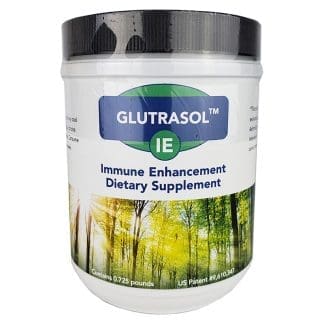
 Glutrasol$89.00
 -
Transfer Factor Ultra$159.00

4 Reasons Pharmacists Should Learn More About Specialty Nutraceuticals
- Understanding Integrated Health Systems and Treatment Options
Pharmacists need to be well-informed about integrated health systems and the treatment options available to patients. Many, including pharmacists, may be unclear about the specialty of nutraceuticals. Some might mistakenly think it refers to a trendy line of health foods, herbal remedies, or vitamin supplements. However, this assumption is incorrect.
According to the 1988 amendments to the FDA’s Orphan Drug Act, medical food is defined as “intended for the specific dietary management of a disease or condition for which distinctive nutritional requirements, based on recognized scientific principles, are established by medical evaluation.”
Specialty nutraceuticals are dietary products that support specific bodily structures or functions. They do not replace drugs or traditional medical treatments; rather, they are part of integrative medicine, which safely and effectively supports immune health and other conditions. For more information from the FDA on specialty nutraceuticals, visit the Dietary Supplements Guidance Documents and Regulatory Information section.
- Significant Benefits Over Other Treatment Options
In many cases, specialty nutraceuticals provide significant advantages over conventional treatment options. Unlike many pharmaceuticals, these products typically do not have side effects or high price tags. They can often serve as a first-line treatment for various indications, allowing patients to avoid potential side effects and costs associated with traditional medications.
- Helping Millions of People
Current drug development and treatment strategies often treat large patient populations as homogeneous groups, failing to consider individual differences among patients. Specialty nutraceuticals enable pharmacists and healthcare providers to customize or “fine-tune” treatments to address the distinct needs of individual patients.
This customization supports improved immune health and empowers pharmacists in their commitment to provide the best solutions for clients who rely on their expertise and sound judgment.
Learning about dietary supplements and specialty nutraceuticals is essential for pharmacists to enhance their practice and better support their patients’ health.
Dietary Supplements: What Pharmacists Should Know
Learn More
To learn more about medical foods, visit the FDA’s Dietary Supplements Guidance Documents and Regulatory Information.
CortControl develops and markets patented specialty nutraceuticals, including Glutrasol and Transfer Factor Ultra. These products are designed to support fertility, immune health, and overall well-being.