Posted on

Improve Your Athletic Ability

Improve your athletic abiltiy.

Enhance Your Athletic Performance

Are you an athlete looking to perform at your best in your next event? Whether you want to achieve faster times, cover longer distances, score more goals, or recover quickly afterward, the answer is likely “yes.” Remember, enjoyment and performance in sports are closely linked.

Whether you’re an elite Ironman competitor or a casual exerciser, your immune system is crucial to your athletic performance. It not only helps prevent illness but also affects your overall ability to perform effectively.

Extreme Athletes

Extreme athletes understand the intense demands of training, sleep, performance, and recovery. The lead-up to an event can cause mental stress, draining energy and negatively impacting sleep quality, which in turn affects performance. Post-event recovery takes time, and you may be more vulnerable to illness for about five days.

Enthusiastic Athletes

As an enthusiastic athlete, your experience may differ from others. Moderate exercise boosts your immune system, but there’s always room for further improvement in performance.

The difference between extreme and enthusiastic athletes is summarized

Bente Klarlund Pedersen and Anders Dyhr Toft from the Copenhagen Muscle Research Centre and the Department of Infectious Diseases explain the difference between extreme and enthusiastic athletes.

They state, “Moderate exercise across the lifespan seems to increase resistance to upper respiratory tract infections, whereas repeated strenuous exercise suppresses immune function.”* 

*Effects of exercise on lymphocytes and cytokines.

The key to supporting extreme and enthusiastic athletes is to strengthen and enhance the immune system.

To begin with, let’s cover some basics. Your immune system is composed of immune cells and immune proteins (technically known as cytokines). Immune cells include macrophages, often referred to as “big eaters.” These cells play a crucial role in protecting us by consuming viruses, fungi, and bacteria.

Immune proteins serve as the regulators of the immune system, directing its actions. They function most effectively when they are balanced; any imbalance can lead to issues.

Additionally, immune proteins connect the immune system to the central nervous system. They help to facilitate the release of regulating hormones, which can impact various everyday performance issues.

Importantly, immune proteins can be increased and balanced, contributing to overall health and performance.

Balancing immune proteins is an effective way to enhance the immune system’s strength.

A diet alone may not provide the necessary immune proteins for this balance. This is where Glutrasol comes in. This performance supplement enhances immune protein balance in two key ways.

First, balanced cytokines are injected directly into the digestive tract, where they remain stable before being absorbed through the intestinal wall. Second, the body produces even more balanced cytokines, which help replace any missing immune proteins. See:

By using specialized nutraceuticals, you can enhance your athletic performance.

All athletes can experience significant improvements as immune protein balance is restored, leading to increased energy levels and an overall sense of well-being. Stamina replaces mere endurance, and motivation comes easily when you feel good.

For extreme athletes, recovery is swift, and the risk of respiratory infections is reduced.

Enjoy reaching your new athletic potential! The choice of whether to share this with your competitive friends is up to you!

Posted on

Medical Foods

Medical Foods.

As patients explore personalized treatment options, healthcare providers should do the same.

Healthcare treatment is rapidly evolving. Increasing numbers of consumers are showing interest in an approach known as “integrative medicine.” This approach offers new possibilities for enhanced and personalized patient care.

Integrative medicine is not entirely new; its principles are straightforward and sensible. Rather than relying solely on a one-dimensional approach, such as simply “taking this pill three times a day,” integrative medicine suggests that the best healthcare solutions may involve a combination of medications and complementary remedies. These can include a balanced diet, regular exercise, vitamins, and FDA-approved specialty nutraceuticals.

What are specialty nutraceuticals, or medical foods?

Specialty nutraceuticals are dietary products specifically designed to support particular bodily structures or functions. The term broadly refers to any product derived from food sources that provides additional health benefits beyond the basic nutritional value found in foods.

While terms like “exercise” and “vitamins” are commonly understood, “specialty nutraceutical” may be unfamiliar to many in the healthcare field. It’s essential to note that nutraceuticals are not substitutes for traditional drugs or medical treatments; instead, they are part of an integrative approach to support health issues safely and effectively.

What is the difference between a nutraceutical and a medicine?

Pharmaceuticals are FDA-approved drugs specifically designed to treat diseases and provide immediate relief. In contrast, nutraceuticals are nutrient-rich dietary substances derived from whole foods or parts of food sources that offer health benefits beyond basic nutrition.

To learn more, visit the Dietary Supplements Guidance Documents and Regulatory Information page on the FDA’s website.

Doctors and pharmaceutical companies are slow to adapt to specialty nutraceuticals.

Although consumer interest in specialty nutraceuticals is on the rise, many doctors and pharmaceutical companies remain hesitant to embrace them. A recent survey by the American Hospital Association found that 44% of respondents identified “physician resistance” as one of the top three barriers to adopting integrative medicine programs that may include specialty nutraceuticals.

Additionally, some pharmaceutical companies view these supplements not as an opportunity to serve their customers and explore a new revenue stream, but rather as a threat to their existing businesses. This resistance from the pharmaceutical sector is unfortunate, as specialty nutraceuticals offer promising new options for both doctors and patients, as well as a significant market opportunity for these companies.

Although the process may be slow, the specialty nutraceutical market is expected to grow in the coming years, offering patients more solutions and treatment options.

Nutraceuticals occupy a space between food and pharmaceuticals.

They include foods and substances, or combinations of substances, made up of natural molecules or elements. Nutraceuticals are used to maintain or improve health, as well as to treat or prevent diseases and conditions.

To benefit consumers, pharmaceutical companies can take the following steps:

  1. Recognize the increasing consumer interest in personalized treatments and advocate for these options.
  2. Consider specialty nutraceuticals as valuable additions to their product lines, providing a clear competitive advantage.
  3. License patented specialty supplements that are already FDA-approved for manufacturing and distribution in their core markets. Since these products are FDA-approved, research and development costs are minimal, and the time to market is significantly reduced.
  4. Produce and offer products with substantial profit margins.
  5. Assist physicians and clinics in refining their treatment protocols, enabling them to differentiate themselves more effectively in the market.

Medical Foods: The concept of personalized treatment has become increasingly relevant.

Medical foods play a crucial role in this emerging standard and perspective. This new approach presents a unique opportunity for large pharmaceutical companies to connect with customers and enhance their profits. Meeting the rising consumer demand aligns with the interests of doctors who wish to provide more options for their patients, as well as pharmaceutical companies looking to strengthen their competitive advantage.

Posted on

Specialty Nutraceuticals and Fertility

Specialty Nutraceuticals and Fertility. Doctors and nutritionists can now offer patients a valuable comprehensive fertility support program.

Supporting Fertility for More People

For years, cost has been a significant barrier for couples seeking fertility support. A recent study by the University of California, San Francisco (UCSF) revealed that couples pursuing in vitro fertilization (IVF) incur an average out-of-pocket expense of $19,234.

In the U.S., this amount represents approximately 44% of the annual disposable income for couples seeking treatment. As UCSF infertility specialist James F. Smith, MD, has noted, “For many patients, the high costs … represent a significant burden on household finances and almost certainly play a major role in fertility treatment decision-making.”

The Specialty Nutraceutical Option

Recent developments in specialty nutraceuticals may offer doctors and nutritionists a valuable new option to provide their patients with a strong first step in a comprehensive fertility support program.

Moreover, these nutraceuticals present pharmaceutical companies with new opportunities to expand their product portfolios and market reach, with a focus on fertility support. Given the significant financial burden associated with traditional treatments for many couples, exploring the right nutraceutical could be a viable option for both doctors and pharmaceutical companies.

Specialty Nutraceuticals and Fertility Treatment

Why Consider Specialty Nutraceuticals?

Although there is some skepticism surrounding specialty nutraceuticals, an increasing amount of evidence suggests that they may be more effective than traditional fertility drugs and treatments. Additionally, they are often much more affordable.

For more information, visit the Dietary Supplements Guidance Documents and Regulatory Information page on the FDA’s website.

CortControl’s Specialty Nutraceuticals

At CortControl, we offer specialty nutraceuticals like Glutrasol and Transfer Factor Ultra. For over 20 years, veterinarians have prescribed many of our essential compounds to treat various diseases and conditions in mammals. The success of these treatments is well-documented and often dramatic. For instance, fertility in cattle has increased by more than 70% in some cases.

We are confident that our supplements can make a positive difference in the lives of humans, supported by scientific evidence. All mammals, including humans, share a similar mechanism for cortisol production. When the body produces excessive amounts of cortisol, it can lead to an increased risk of infertility in some cases.

Managing Cortisol Production Is Crucial

Products like Glutrasol and Transfer Factor Ultra are designed to help control high levels of cortisol. These compounds are similar to those that veterinarians have prescribed to cattle for years to enhance fertility. We believe that they may have a comparable effect on humans.

Cortisol Stress Hormone.

Cortisol is a stress hormone that can impact fertility in both men and women.

In women, stress triggers the brain to produce cortisol, which can disrupt the function of the ovaries and the release of eggs.

Hormonal Balance: Elevated cortisol levels can disrupt the hormonal balance necessary for egg maturation. It can also decrease estradiol, potentially harming egg quality.

Ovulation: Cortisol can disrupt the signaling between the brain and the ovaries, leading to delayed or prevented ovulation.

Menstrual Cycle: High cortisol and prolactin levels can impair the regularity of the menstrual cycle.

Blood Flow: Cortisol can reduce blood flow to reproductive organs, including the ovaries.

Additionally, cortisol can suppress reproductive hormones, resulting in irregular ovulation, anovulation, and amenorrhea.

Ovulation is the process by which an ovary releases an egg that can be fertilized by sperm, potentially leading to pregnancy.

Anovulation, or an anovulatory cycle, is a medical condition in which an egg is not released from the ovaries during a menstrual cycle.

Amenorrhea refers to the absence of menstruation in a woman who usually has regular periods, lasting three months or more, or six months or more if she has had at least one spontaneous period before.

The stress hormone cortisol affects male fertility.

Specifically, it can affect sperm production and motility. Follicle-stimulating hormone (FSH), which is released by the anterior pituitary gland in response to gonadotropin-releasing hormone (GnRH), plays a crucial role in stimulating sperm production. In men, FSH helps regulate the quantity of sperm produced by the testicles and influences sperm health.

GnRH prompts the testicles to produce testosterone. Additionally, stress can lead to behavioral changes that negatively affect fertility, such as a decreased sex drive and lack of motivation. While occasional stress might not significantly impact fertility, chronic stress can result in hormone imbalances that make conception more challenging.

What is the Role of Nutraceuticals in Fertility?

Nutraceuticals are increasingly recognized as a popular method for addressing male fertility issues related to pre-testicular, testicular, and post-testicular factors.

Pre-Testicular Factors: These are also known as extra-gonadal endocrine disorders. They originate outside the reproductive system and can hinder the testes from receiving the necessary support for functioning properly. These disorders often affect spermatogenesis (the production of sperm) and can stem from issues in the hypothalamus, pituitary gland, or adrenal glands.

Testicular Factors: These factors can arise from various conditions, including varicocele-induced damage, undescended testes, testicular torsion, mumps orchitis, and the gonadotoxic effects of certain medications (such as chemotherapy, radiation, and surgical procedures). Genetic abnormalities and idiopathic causes (issues of uncertain origin) can also contribute to testicular problems.

Post-Testicular Factors: Infertility related to post-testicular factors occurs after sperm production and mainly involves blockages in the ducts leading away from the testes. These blockages can develop anywhere within the male reproductive tract.

Nutraceuticals contain a variety of nutritional components that enhance metabolic activity, regulate hormonal profiles, and support sperm production, thereby helping to mitigate these fertility issues.

Nutrition plays a crucial role in fertility.

Continuously supplying your body with the right supplements can impact your metabolism, hormones, and the entire endocrine system, all of which regulate fertility. A healthy, well-balanced diet, along with the appropriate supplements, can enhance fertility for both men and women.

Healthy Well Balaced Diet.

It’s important to consider this closely. We are not suggesting that specific nutraceuticals, such as Glutrasol and Transfer Factor Ultra, are cure-all solutions. However, we are highlighting that they show promise in supporting fertility at a relatively low cost, and are worth considering as part of a comprehensive fertility support strategy. This approach can help more individuals take advantage of infertility treatments.

A New Approach to Supporting Fertility

Glutrasol and Transfer Factor Ultra are unique, patented, science-based supplements that offer a fresh perspective on fertility support. They are specifically designed to address compromised immune function caused by elevated stress, which is a factor in an estimated 30% of fertility issues in both women and men.

Consider enhancing your fertility with Glutrasol and Transfer Factor Ultra if you:

  • Are a couple facing fertility challenges
  • Have known stressors that may be inhibiting your fertility
  • Could benefit from reducing the impact of stress on your fertility
  • Are you looking for a natural, non-invasive, and cost-effective fertility aid to improve your chances of conception

Some specific positive outcomes may include:

  • A significant increase in egg health
  • An increase in the number of healthy eggs produced
  • An increase in sperm count

CortControl is the developer and marketer of these patented specialty nutraceuticals. Their products, Glutrasol and Transfer Factor Ultra, support fertility, immune health, and address other health concerns.

Posted on

Biochemistry of Transfer Factor: Technical Paper

Biochemistry of Transfer Factor. Female scientist looking under microscope doing analysis of test sample.

I. Introduction

The Glutrasol and Transfer Factor Ultra products contain three main ingredients:

Transfer Factor: This is a chemical derived from humans or animals that have already developed immunity against a specific disease.

Glucans: Glucans are polysaccharides made from D-glucose and are linked by glycosidic bonds. They are categorized into two forms: alpha-glucans and beta-glucans.

Lactic Acid-Generating Bacteria: This group includes Gram-positive, non-respiring, non-spore-forming bacteria, either cocci or rods, that produce lactic acid as the primary byproduct of carbohydrate fermentation.

This disclosure focuses on the biochemistry of Transfer Factor. 

The effectiveness of Glutrasol and Transfer Factor Ultra is demonstrated by test groups that consistently show significant improvements compared to control groups.


Here is information on how (biochemically) they work.

II. Inducer/Suppressor Fraction of Transfer Factor

T-lymphocytes produce transfer factors and can transfer the ability to recognize a pathogen to cells that have not been previously exposed to the pathogen. They also heighten the immune system’s ability to react (increased reactivity or inducer function) to pathogens. Transfer factor produces a trigger for T-cell recognition of an antigen.

The transfer factor is a mixture of peptides, typically with a molecular weight < 10,000 Daltons. It’s more appropriate to speak of “transfer factors” instead of “transfer factor.” Fortunately, today’s preparative methods produce consistent mixtures, resulting in repeatable responses.

Fractions within the mixture serve different (and sometimes opposite) purposes. Two significant fractions are (1) the inducer fraction and (2) the suppressor fraction [1][2]. Opposing functions were confirmed using the direct Leucocyte Migration Inhibition (LMI) test.

These two fractions are consistent with field observations that the transfer factor balances the immune system.

For example:

  1. The inducer fraction of transfer factor biochemistry links the immune cells with an antigen-binding site, thereby increasing their reactivity to an antigenic stimulus. This is advantageous when a higher immune response is required. CortControl’s enhanced vaccine response arises from an inducer fraction. Several researchers have documented the inducer effects of transfer factors [3][4][5].
  2. The suppressor fraction blocks the response of the T-cells and signals a down-regulation of the immune response. This is helpful in allergic or autoimmune conditions. Animal studies demonstrate improvement in cases where the immune system is overactive. This arises from the suppressor fraction. Cortesini R. et al. [6] showed that CD8+CD28-Ts represent a unique subset of regulatory cells within the transfer factor that initiates a suppressive loop. Filaci [7] supported Cortesini’s work and related autoimmune diseases to the absence of CD8+ suppressor T lymphocytes. Filaci further found that “CD8+ Ts can be generated in vitro from CD8+CD28-T lymphocytes. A key role in their generation is played by monocytes that secrete interleukin-10 (IL-10) after granulocyte macrophage-colony-stimulating factor (GM-CSF) stimulation.”

Aleli Salazar-Ramiro et al. [8] view cancer as an autoimmune disease and propose a transfer factor for cancer therapy. This is supported by CortControl’s veterinary work on horses, dogs, and cows [9], where cancer symptoms were visibly reversed.

III. TH1/TH2 Helper Cells and Cytokines

Reviewing the helper lymphocyte paradigm helps categorize the applications of transfer factor. Helper lymphocytes develop along two cell populations: TH1 and TH2. Transfer factors from both lymphocyte lines are represented in the transfer factor biochemistry. TH1 and TH2 cells perform distinct functions and produce distinct cytokines, proteins that serve as messenger molecules.

Cell-mediated or TH1 helper responses are crucial to the body’s ability to defend itself against viruses, fungi, parasites, cancer, and other intracellular organisms. TH1 cells modulate cell-mediated immunity.

TH1 cells produce the following cytokines:  

  • IL-2,  
  • IFN-gamma, and
  • TNF-alpha

TH2 cells modulate humoral immunity (antibody production).

TH2 cells produce the following cytokines:

  • IL-4,
  • IL-5,
  • IL-6,
  • IL-10, and
  • IL-13

Cytokines are functionally similar to hormones but are not associated with a specific gland.

They appear to operate as keys and templates.

  • Cytokines are a broad and loose category of small proteins essential in cell signaling. Due to their size, cytokines cannot cross the lipid bilayer of cells to enter the cytoplasm; therefore, they typically exert their functions by interacting with specific cytokine receptors on the target cell surface.

Stereochemistry is important.

What is stereochemistry in simple terms?

  • A branch of chemistry that deals with the spatial arrangement of atoms and groups in molecules.
  • The spatial arrangement of atoms and groups in a compound and its relation to the properties of the compound.

The attachment of a cytokine to an immune cell receptor starts a specific immune signal within the target cell. Signals translate into direct action, increase the production of antibodies against an invading virus, or initiate the production of other cytokines to propagate the signal.

IV. TH1/TH2 Predominant Phenotypes 

One aspect of immune regulation involves homeostasis between T-helper 1 (Th1) and T-helper 2 (Th2) activity [10]. TH1/TH2 balance correlates with good health, and over-activation in either direction sets the stage for disease.

Th1 and Th2 helper cells direct different immune response pathways and produce different cytokines. Either pathway can downregulate the other.

Steven Bock, MD, correlated disease conditions to an imbalance of TH1 and TH2. For example, if one has a TH2-dominated condition, the disease conditions that tend to prevail are:

  1. Allergies
  2. Chronic sinusitis
  3. Atopic eczema
  4. Asthma
  5. Systemic autoimmune conditions such as lupus erythematosus and mercury-induced autoimmunity
  6. Vaccination-induced state
  7. Certain cases of autism
  8. Hyperinsulinism
  9. Pertussis vaccination
  10. Malaria
  11. Helminth infection
  12. Hepatitis C
  13. Chronic giardiasis
  14. Hypercortisolism
  15. Chronic candidiasis
  16. Cancer
  17. Viral infections
  18. Ulcerative colitis

If one has a TH1-dominated condition, the conditions that tend to prevail are:

  1. Diabetes type 1
  2. Multiple sclerosis
  3. Rheumatoid arthritis
  4. Uveitis
  5. Crohn’s disease
  6. Hashimoto’s disease
  7. Sjögren’s syndrome
  8. Psoriasis
  9. Sarcoidosis
  10. Chronic Lyme disease
  11. H. pylori infections
  12. E. histolytica

Glutrasol field observations show successes in both categories. For example, international travelers avoid flu and colds by consuming Glutrasol before a trip. In addition, Ramaekers Nutrition has success with psoriasis, Crohn’s disease, and H pylori infections (among a 20-year list of others). The biochemistry of transfer factor in Glutrasol contains cytokines from both TH1 and TH2 cells. It produces different cytokines in response to various situations.

Alvarez-Thull L, Kirkpatrick CH [11] note that “Transfer factor treatment selectively affects cytokine production in response to antigenic stimulation.”

Fabre RA et al. [12] (in a pulmonary tuberculosis study) showed that “the treatment with murine or human TF [transfer factor] restored the expression of TH-1 cytokines, TNFalpha and iNOS, provoking inhibition of bacterial proliferation and significant increase of DTH and survival.”

V. Adjusting to Change

Malaria is cited as a TH2-dominated condition. WHO [13] and PATH are working on a robust malaria vaccine.

CortControl acknowledges that parasites can mutate [14] and present a changing appearance to the immune system. This is one reason why malaria victims experience cyclical flare-ups. Antibody vaccines are specific and not designed to keep pace with mutations.

Maturation time for TH1 or TH2 cells is 10-14 days. In contrast, the biochemistry of transfer factor works on the innate immune system and responds within 24-48 hours. Transfer factor empowers the immune system to stay current with mutations.

CortControl predicts that the immediate benefits of combining Glutrasol with the malaria vaccine will be:

  1. Increasing vaccine efficiency and
  2. Minimizing relapse or re-infection.

VI. Rebalancing TH1 and TH2 Levels

Transfer factor can change TH1/TH2 predominance conditions within 48 hours [15].

This observation asks, “How can Transfer Factor change a predominantly TH-2 Immune System to a predominant TH-1 System so rapidly?”*

*The hypothesis of new TH1 cells was dismissed early because it takes 10-14 days to mature new TH1 cells.

The answer is “conversion by eomesodermin,” which was studied in 2003 [16].

  • Eomesodermin. Also known as T-box brain protein 2, it is a protein encoded by the EOMES gene in humans. The Eomesodermin/Tbr2 gene, EOMES, encodes a member of a conserved protein family that shares a common DNA-binding domain, the T-box.

In that study, already differentiated TH2 cells were converted into TH1 cells. Eomesodermin is a T-box transcription factor related to T-bet and is already characterized as a key regulator of mesodermal differentiation. Eomesodermin was up-regulated explicitly in activated CD8+ cells [one of the transfer factor’s actions].

The conversion of TH2 cells to TH1 cells is particularly relevant to viral vaccines and malaria, which tend to be TH2-dominated immune responses. In the opposite direction, the conversion of TH1 to TH2 is advantageous for Conditions Such as Rheumatoid arthritis or Crohn’s disease.

VII. Viruses, Bacteria, and Parasites

Web MD notes, “Transfer factors are used for infectious conditions in people with weak immune systems. These infectious conditions include bacteria or viruses in the bloodstream (septicemia), sinus infections, bronchitis, influenza, swine flu, the common cold, shingles, chickenpox, hepatitis B, fungal infections such as coccidioidomycosis, yeast infections (candidiasis), parasitic infections such as leishmaniasis and cryptosporidiosis, and leprosy.


Transfer factors are also used against infections caused by viruses such as cytomegalovirus (CMV) and Epstein-Barr virus, bacteria such as Mycobacterium tuberculosis, Mycobacterium fortuitum, and Mycobacterium avium, and yeast-like fungi such as Cryptococcus and Pneumocystis carinii.

The Glutrasol formulation dramatically lowered the mortality rate of parasite-infected livestock herds [9]. Simultaneously, weight gain improved.

CortControl does not believe that we “cured” the affected herds. Instead, we believe Glutrasol better staged the subject’s immune system to resist parasites and opportunistic infections.

This immune response has applications for countries where water-borne parasites negatively affect child development.

Stunted childhood growth is a significant global health issue. Low weight gain in livestock and stunted human growth are probably related.

VIII. Staging the Immune System

The response to vaccination depends on the recipient’s health. Vaccines work best for healthy people. Conversely, a person with a weakened immune system may not derive the full benefits from the calculated vaccine. This relationship is significant in less developed countries, where unsanitary conditions impact overall health.

Dr Mandal [17] notes, “This [a lower-than-expected vaccine response] could be due to various reasons. Sometimes, this is because the host’s immune system doesn’t respond adequately or at all. This could be in diseased persons with lowered immunity, e.g., in people with diabetes, those on steroids or other immunity-suppressing drugs, or those with HIV infection.

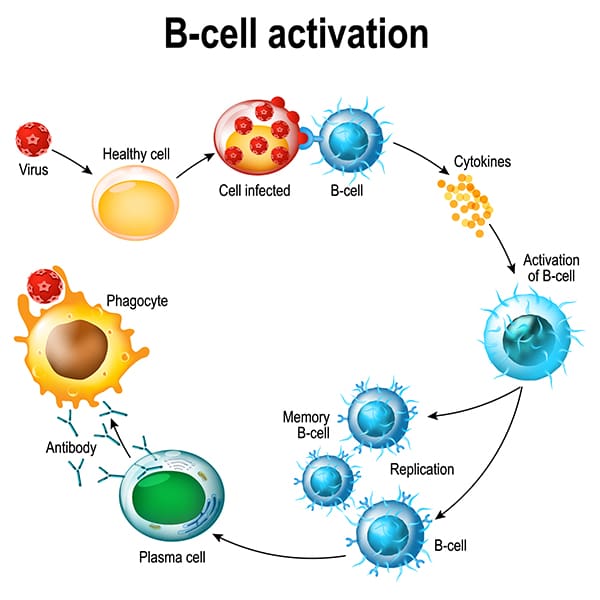
B Cell Activation

The non-development of immunity to disease could also be due to the host’s immune system not having a B cell capable of generating antibodies against the antigen or microbe, or the immune system may not be strong enough to fight off the infection.

Glutrasol. Formulated to narrow the health gap and make vaccine benefits accessible to a larger population.

IX. Adjuvant Application

Several articles suggest the use of the Transfer Factor as an adjuvant.

  • An adjuvant is a chemical substance added to some vaccines to help the body’s immune system respond more effectively to the vaccine’s antigens.

Schroder et al. [18] state, “This interspecies adjuvant effect was proportional to the dose of the ‘transfer-factor’ preparations administered, depended on the method of their preparation, and was expressed in the administration of the preparations simultaneously with the immunization.”

Wang et al. [19] state, “In conclusion, these results suggest that TF [transfer factor] possess better cellular immune-enhancing capability and would be exploited into an effective immune-adjuvant for inactivated vaccines.”

X. Dramatic Pictures of Results of Consuming Transfer Factor

The following images are two patient examples. We have an extensive database of animal results using our patented formulas.


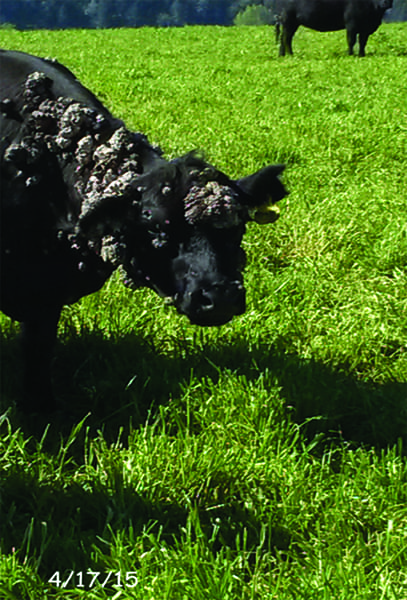
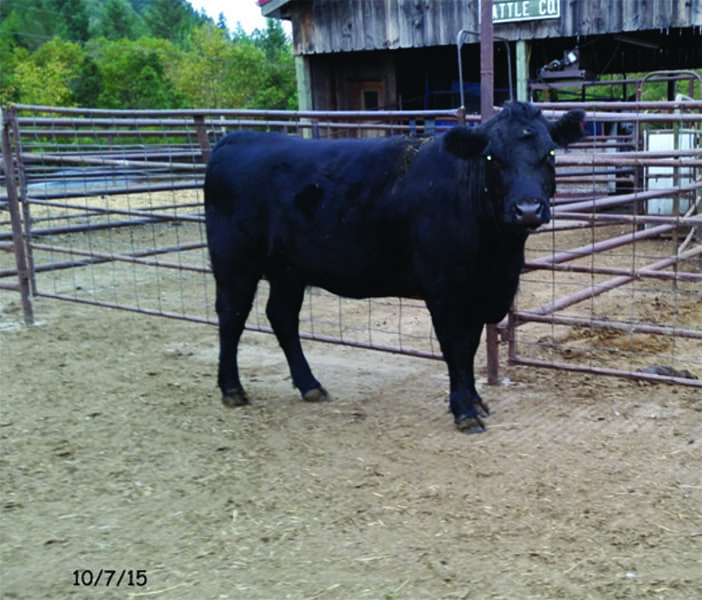
Calf with Severe Warts

Before Transfer Factor Consumption

Before Transfer Factor Consumption. Cow with severe warts.

6 Months Later

After Transfer Factor Consumption

After Transfer Factor Consumption. Cow with severe warts.

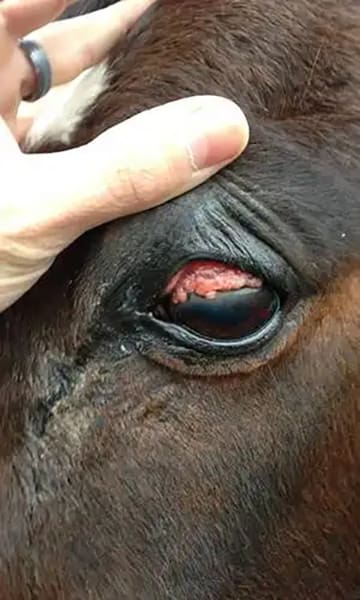
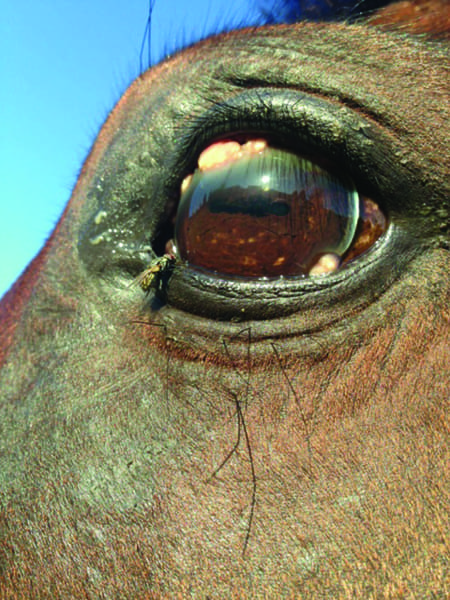
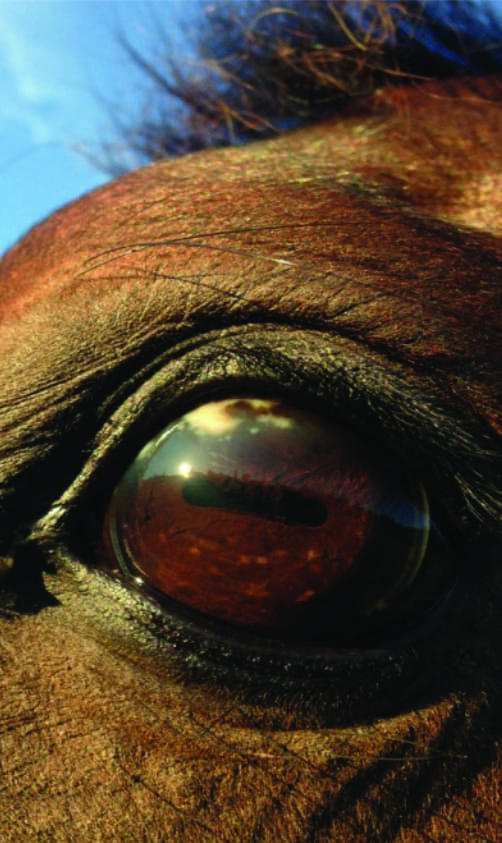
Horse with Eye Cancer

Before Transfer Factor Consumption

Before Transfer Factor Consumption. Horse with eye cancer. Image one.

During Transfer Factor Consumption

During Transfer Factor Consumption. Horse with eye cancer. Image two.

After Transfer Factor Consumption

After Transfer Factor Consumption. Horse with eye cancer.

References


  1. Lawrence HS, Borkowsky W., “Transfer factor—current status and future prospects,” Biotherapy 1996;9(1-3):1-5. https://www.ncbi.nlm.nih.gov/pubmed/8993750
  2. www.linked2.info/dvm
  3. Mazaheri R, Hamblin AS, Zuckerman AJ., “Cell-mediated immunity: correlation of mixed-leucocyte-macrophage migration inhibition with delayed-type hypersensitivity after immunization and donor-specific transfer of cell migration inhibition by dialyzable leucocyte extract,” Cell Immunol. 1983 Nov;82(1):147-62. https://www.ncbi.nlm.nih.gov/pubmed/6196129
  4. Kirkpatrick CH, Rich RR, Smith TK., “Effect of transfer factor on lymphocyte function in anergic patients,” J Clin Invest, 1972 Nov;51(11):2948-58. https://www.ncbi.nlm.nih.gov/pubmed/5080419
  5. Salazar-Ramiro A, Hernández-Pedro NY, Rangel-Lopez E, Cruz VPD, Estrada-Parra S, et al., “Dialyzable Leukocyte Extract (Transfer Factor) as Adjuvant Immunotherapy in the Treatment of Cancer,” MOJ Auto Dis 1(1): 00003. DOI: 10.15406/mojad.2016.01.00003.
  6. Cortesini R1, LeMaoult J, Ciubotariu R, Cortesini NS., “CD8+CD28- T suppressor cells and the induction of antigen-specific, antigen-presenting cell-mediated suppression of Th reactivity”, Immunol Rev. 2001 Aug;182:201-6. https://www.ncbi.nlm.nih.gov/pubmed/11722635
  7. Filaci G. et al., “Nonantigen specific CD8+ T suppressor lymphocytes originate from CD8+CD28- T cells and inhibit both T-cell proliferation and CTL function”, Hum Immunol. 2004 Feb;65(2):142-56. https://www.ncbi.nlm.nih.gov/pubmed/14969769
  8. Salazar-Ramiro A, Hernández-Pedro NY, Rangel-Lopez E, Cruz VPD, Estrada-Parra S, et al., “Dialyzable Leukocyte Extract (Transfer Factor) as Adjuvant Immunotherapy in the Treatment of Cancer,” MOJ Auto Dis 1(1): 00003. DOI: 10.15406/mojad.2016.01.00003. http://medcraveonline.com/MOJAD/MOJAD-01-00003.php
  9. http://ramaekersnutrition.com/library/the-mechanism-of-transfer-factor/
  10. Kidd P., “Th1/Th2 balance: the hypothesis, its limitations, and implications for health and disease”, Altern Med Rev. 2003 Aug; 8(3):223-46. https://www.ncbi.nlm.nih.gov/pubmed/12946237
  11. Kirkpatrick CH, Rich RR, Smith TK., “Effect of transfer factor on lymphocyte function in anergic patients,” J Clin Invest, 1972 Nov;51(11):2948-58. https://www.ncbi.nlm.nih.gov/pubmed/5080419
  12. https://www.ncbi.nlm.nih.gov/pubmed/15086383
  13. http://www.who.int/mediacentre/factsheets/fs094/en/ “Malaria Fact sheet N 94”. WHO. March 2014.
  14. http://www.theexpandedheart.com/Transfer.html
  15. http://ramaekersnutrition.com/library/the-mechanism-of-transfer-factor/
  16. SCIENCE, p. 1041, Vol. 302, Nov. 2003. http://science.sciencemag.org/content/302/5647
  17. http://www.news-medical.net/health/Vaccine-Effectiveness.aspx
  18. https://www.ncbi.nlm.nih.gov/pubmed/419903
  19. www.ncbi.nlm.nih.gov/pubmed/22705080

Posted on

The Science Behind Glutrasol

The Science Behind Glutrasol.

How does Glutrasol work?

To improve overall health and integrated treatment efficacy, Glutrasol supports the immune system by employing three chemistries key to Glutrasol‘s science-based specialty supplement: transfer factor, beta-glucans, and lactic acid-generating bacteria.

Transfer Factor 

Transfer factor is commonly derived from colostrum, a cow’s first milk after calf delivery. This milk contains information in the form of small proteins (polypeptides) that transfer immunity from cow to calf or from cow to human.

In Glutrasol, the proteins are separated by molecular weight. Other sources of transfer factors include eggs, sheep, goats, and lysed cells. As various sources are mixed, the scope of immunity typically increases. If people take transfer factors daily, their immune capability—as measured by killer white blood cells—could increase by as much as 250%.

Proteins separated by molecular weight.

Proteins are separated by molecular weight.

Beta-Glucan

Beta-glucan stimulates the two principal parts of the body’s immune system: the innate and the acquired immune systems.

Innate immune systems

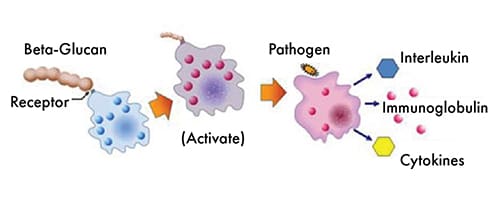
In the innate immune system, beta-glucan binds to macrophages, a type of white blood cell that detects bacteria, viruses, and other pathogens, thereby coordinating the body’s defenses against them. When activated by beta-glucan, macrophages have a greater ability to identify and destroy foreign intruders. After devouring pathogens through phagocytosis, macrophages communicate the presence of the intruder to the body’s other defenders. Research shows that macrophages fortified by beta-glucan can rally the body’s defenses.

Macrophage activation via cell surface receptor.

Macrophage activation via the cell surface receptor.

Acquired immune systems

After this, the acquired immune system joins the fight. With the information transmitted from the macrophages, the acquired immune system learns to manufacture other killer cells and blood factors designed to defend against a specific attack. These include B-cells, which produce antibodies. The antibodies, working in conjunction with the innate immune system, bind to and destroy foreign invaders, forming clusters. Macrophages then overwhelm these. This process is how the body eliminates infections and diseases.

Lactic Acid-Generating Bacteria

Lactic Acid-Generating Bacteria.

Lactic Acid-Generating Bacteria

Many assume that glucose is the primary energy source for living tissues; however, there are indications that neurons in the human brain preferentially metabolize lactate rather than glucose.

Digestive Health

Lactic acid-generating bacteria also have significant positive effects on digestive health. Foods such as cod liver oil and sauerkraut, for example, derive their benefit from lactic acid-generating bacteria. The liver, pancreas, and kidneys are less stressed when digestion is good.

The immune system is supported because beneficial lactic acid-generating bacteria displace pathogens in the digestive tract, restoring healthy mucus in the intestinal lining.

Supporting Immune Health

—Richard Bennet, Ph.D.

The Science Behind Glutrasol: An Integrative Approach to Supporting Immune Health

Glutrasol helps to support immune system health


The Challenge

The global need to address immunodeficiency disorders is real and immediate. Richard Bennet, Ph.D., states, “Our ability to create a really healthy immune system represents the greatest potential gains in health in the world.”

Immune System Health

The outcomes resulting from diminished immune system health are numerous and varied. Compromised immune health affects the ability to fight off pathogens, leaving at-risk populations, especially the elderly or those in developing countries, at a disadvantage in avoiding disease.

At-Risk Populations

Seniors

Many seniors are at risk of contracting disease due to physical limitations, existing health concerns, or nutritional deficits. Providing a robust immune health foundation can effectively arm seniors with a better ability to maintain good health and vitality.

Developing Countries

In many developing countries, vast numbers of at-risk populations arrive at support organizations with immune systems that are severely compromised, either from inadequate nutrition, poor sanitation, environmental stress, or aging. Poor sanitation, nutritional food, and environmental distress are common and systemically complex to overcome.

One solution to support these at-risk groups is to provide nutraceuticals or specialty supplements, such as Glutrasol, to help these populations improve their immune system health.

World Globe. Developing Countries.

Developing countries are located mainly in Africa, Asia, Latin America, and the Middle East.

Infectious disease epidemics cost the world US$60 billion each year. They match wars and natural disasters in their capacity to endanger lives, disrupt societies, and damage economies.

— Coalition for Epidemic Preparedness Innovations (CEPI)

The Science Behind Glutrasol: Immune-System Health and Antigen Exposure

Immune system health is an important factor in fighting disease


Fighting Disease

Immune system health is a crucial factor in combating disease. Dr. Ananya Mandal, MD, notes that “the reason for non-development of immunity to a disease could also be that the host’s immune system does not have a B cell capable of generating antibodies against the antigen or microbe, or the immune system may not be strong enough to fight off the infection.”

Kenneth L. Marcella, DVM, states, “It is the immune system, after all, which allows humans and animals to recognize and remember potentially harmful foreign substances such as bacteria and viruses. The immune system allows us to respond to these threatening invaders in our systems.”

CortControl’s Glutrasol helps build the immune system to respond better to antigenic exposure.

Maximizing Immunity and Extended Protection

Glutrasol is a nutraceutical specifically developed to support immune system health. When Glutrasol compounds were tested on cattle, cell-mediated immunity increased 4-5 times. Additionally, non-responsive populations to an antigenic stimulus without Glutrasol compounds developed a response when treated with Glutrasol compounds. Furthermore, animal testing demonstrated increased protection periods, rendering recipients less susceptible to additional health concerns.

Global healthcare workers care for vast populations in many developing countries.

Efficacy and extended protection periods affect logistics and economics. From a practical standpoint, reducing the frequency of interactions stretches the budget.

  • Fewer visits are required to achieve goals.
  • Delivery costs drop proportionately.
  • More time per visit becomes practical.
  • The need for follow-up treatments decreases.

Effective Delivery is Critical

“We should anticipate a growing frequency of infectious disease threats to global security,” says Peter Sands, Chair of the Commission on a Global Health Risk Framework for the Future. Maximizing the health of those in developing countries can help minimize the impacts of each new pandemic.

Treatments

Treatments must be stable and easy to manage in extreme climates and areas with significant sanitation challenges. Doses must be small, lightweight, and easy to administer and distribute.

Researchers

Researchers are looking at ways to enhance immune system health with easy-to-administer integrative solutions. Easy-to-transport specialty supplements are a promising approach. Glutrasol provides such a solution.

How Does Glutrasol Help Support Immune Health?

Glutrasol’s research shows:

  • An increased antibody titer for a subject by 4-5 times
  • Extended protection between vaccine booster treatments
  • Improved response to an antigenic stimulus
  • Provides ease of delivery in hard-to-reach populations
  • The product is stable in scorching climates

Additional positive, proven outcomes from animal research

  • Reduced stress
  • Increased food utilization or growth rate
  • Improved offspring mortality
  • Increased fertility

Supporting Fertility

The Science Behind Glutrasol: An Integrative Approach to Supporting Fertility

Glutrasol helps to support fertility


The Challenge

Many people consider the prospect of having children one of life’s great experiences. Sadly, though, according to the Mayo Clinic, between 10% and 15% of all couples of childbearing age have difficulty either conceiving or carrying a pregnancy to term. The health of both men and women contributes to this statistic.

Immunity vs. Fertility

Contributors to fertility support are numerous. Among these are a healthy immune system and balanced levels of cytokines.

The immune system and reproductive systems are interdependent. Reproductive immunology is a well-established field of medicine that studies interactions (or their absence) between the immune system and components related to the reproductive system.

Cytokines are critical components of the immune system.

They are small proteins that act as immunomodulatory agents, impacting the immune response. The body’s immune resources are naturally prioritized to address health threats first. As a lesser priority, fertility capacity is negatively affected when the body fails to fight pathogens, even at subclinical levels.

To learn more, see Cytokine Balance Supports Immune Health and Balanced Cytokines Aid Prevention.

Glutrasol Supporting Fertility.

Cytokine Balance

Dr. Marie-Pierre Piccinni, from the Institute of Internal Medicine and Immunallergology at the University of Florence, Italy, found that cytokine balance plays a crucial role in implantation and successful pregnancy (Piccinni et al., 1998). Cytokine balances further allow the survival of the fetus throughout gestation. (Piccinni and Romagnani, 1996).

Further, a clinical study performed on 100 healthy women showed that a low FAAH (fatty acid amide hydrolase) activity in lymphocytes correlated with spontaneous abortion. [Source: Mauro Maccarrone, Department of Experimental Medicine and Biochemical Sciences and † Division of Obstetrics and Gynecology, University of Rome Tor Vergata, Rome, Italy; and ‡ Fatebenefratelli Association for Research, San Giovanni Calibita Hospital, Rome, Italy]

The Science Behind Glutrasol: Fertility and Cytokine Balance

There are inflammatory and non-inflammatory cytokines


Women’s Fertility

The inflammatory-to-noninflammatory cytokine ratio is a known reliable indicator of women’s fertility. If the ratio is too high, conception is unlikely to occur. If the conception probability is more balanced, it is higher. Pathogens interact with the immune system to induce the production of inflammatory cytokines. In contrast, friendly bacteria (such as lactic acid bacteria) create non-inflammatory cytokines.

Inflammatory Immune Cells

Inflammatory immune cells are specifically drawn to the site of a viral infection. Once there, they produce their characteristic inflammatory cytokines. A robust immune system would soon rid the body of the virus, and the level of inflammatory cytokines would fall. A weak immune system won’t finish the job, and high inflammatory cytokines will persist, even though viral symptoms may not be obvious.

One crucial factor related to fertility is maintaining the proper balance of inflammatory and non-inflammatory cytokines.

Both Sexes Impacted

Cytokine balance can affect men and women differently.

A 2014 study published in the journal Seminars in Reproductive Medicine showed that inflammation can disrupt the balance of estrogen and progesterone, the two primary hormones involved in the menstrual cycle. When these two hormones are out of balance, it’s nearly impossible to get pregnant or carry a baby to full term.

Male fertility is also impacted. Anna Havrylyuk, Department of Clinical Immunology and Allergology, Danylo Halytsky Lviv National Medical University, Lviv, Ukraine, has noted that “Cytokines have been important mediators of immunity, and can be involved in numerous processes in the male genital tract, including acting as immunomodulatory elements within the male gonad.”

Stress, Immune Function, and Fertility

Stress affects immune function, and in turn, immune function impacts fertility.

Allen Morgan, MD, the director of the Shore Institute for Reproductive Medicine, says, “When stress-reduction techniques are employed, something happens in some women that allows them to get pregnant when they couldn’t get pregnant before.”

And, as Margareta D. Pisarska, MD, the co-director of the Center for Reproductive Medicine at the Cedars Sinai Medical Center in Los Angeles, has observed: “It’s becoming more and more important, in terms of what studies we do, to focus our efforts on the physiological effects of stress and how they may play a role in conception.”

The connection between immune function and stress is evident. When your body is stressed due to illness or emotional distress, it fights to get well. Reproduction is a lesser priority. At the University of California in San Diego, researchers found that highly stressed women ovulated 20% fewer eggs than women who experienced lower stress.

How Does Glutrasol Help Support Fertility?

Glutrasol strengthens the immune system with three active components: transfer factor, beta-glucans, and lactic acid-generating bacteria to support fertility. The combination contains and balances cytokines. Strengthened immunity leads to better health, and better health supports fertility.

Glutrasol offers a personalized, all-natural alternative for enhancing fertility.

Glutrasol is a cost-effective fertility aid that is less costly, less invasive, and more effective than other claimed fertility aids. It can stand alone or augment an integrated program, providing a reliable and affordable solution. It offers a personalized, all-natural alternative for enhancing fertility.

To learn more, see Specialty Nutraceuticals and Fertility.

Supporting Endurance Athletic Performance

The Science Behind Glutrasol: An Integrative Approach to Supporting Endurance Athletic Performance

Glutrasol helps support endurance athletes


The Challenge

Endurance athletes push through countless limits to compete in their sports. Most are rigorous and supremely disciplined regarding their nutrition, sleep, and training methods. However, many athletes may overlook immune system support as an integral component of their training, performance, and recovery regimen.

“When pursuing a more demanding training regimen, it’s important that the exerciser optimize immune responses,” writes Roy J. Shephard, M.D. Lond, PhD DPE, and Pang N. Shek, PhD, of the University of Toronto School of Physical and Health Education.

Optimal Performance

The power of immune support is often misunderstood. Our immune system is typically viewed as a matter of wellness versus illness, rather than optimal performance. But it’s fundamental to both and is found to be compromised in many endurance athletes.

In fact, in the British Journal of Sports Medicine, Bente Klarlund Pedersen and Anders Dyhr Toft, from The Copenhagen Muscle Research Centre and Department of Infectious Diseases, note that “Moderate exercise across the lifespan seems to increase resistance to upper respiratory tract infections, whereas repeated strenuous exercise suppresses immune function.”

Endurance Athletic Performance.

How the Immune System Affects Athletic Performance

The immune system is directly connected to the central nervous system via immune-system proteins (technically called “cytokines”). These proteins facilitate the release of regulatory hormones, which mediate various physiological functions that occur on a daily basis. We’ll examine some of the impacts of immune system imbalance regarding their implications for training, performance, and recovery.

The Science Behind Glutrasol: Optimize Immune Responses

Demanding training regimens require a fast recovery


Before an Event

The value of a calm mind and sound sleep is well understood. Before an event, mental stress depletes energy reserves and reduces sleep quality.

Pre-event stress is cited as a negative factor in roughly 60% of competitors. Cortisol is the primary stress hormone. Mental stress effectively triggers the hypothalamus–pituitary–adrenal axis to produce cortisol. This sequence applies to all mammals.

Fortunately, the hypothalamic gland also houses the cortisol control loop. With the proper immune-protein stimulus from products like Glutrasol, cortisol production declines, sleep improves, and less vital energy is wasted.

During the Event

Changes in blood flow, increased cardiac output, heat dissipation, hydration status, and sweat production are critical factors during high-intensity exercise. These operating set points interact with each other and with the environment. Hormones (released in response to immune-protein permeation to the brain during exertion) affect the range of operation. Maintaining these factors within a normal range is crucial for optimal performance.

Shephard and Shek further suggest that “participation in a major marathon event increased the odds of infection almost sixfold relative to the experience of other runners who did not participate.”

Performance and Recovery

Electrolyte losses are controlled by hormonal thermal regulation. Imbalances among water, sodium, potassium, and chloride limit performance. Willpower can’t substitute for electrolyte imbalance.

Likewise, elevated cortisol and catecholamine hormone levels, which increase during moderate and strenuous exercise, can negatively impact performance. Supporting healthy cortisol levels by balancing cytokine proteins associated with the immune system can have a positive effect.

As Katsuhiko Suzuki, Faculty of Sport Sciences, Waseda University, noted, “Cytokines mediate exercise-induced inflammation, immunosuppression, and energy metabolism.” Glutrasol enhances cytokine balance to support peak performance and recovery.

To learn more, see Cytokine Balance Supports Immune Health and Balanced Cytokines Aid Prevention.

Recovery and Overtraining Syndrome (OTS)

Intense exercise stresses the body, and a fast recovery is necessary and a priority. We understand the importance of your recovery in maintaining peak performance.

“One of the major components of all training programs is the principle of progressive overload, implying working beyond a comfortable level,” write Joanna Ostapiuk-Karolczuk, Anna Kasperska, and Ryszard Botwina, of the University School of Physical Education, Poznan, Poland. “However, there is a fine line between improved performance and deterioration.”

Rebalance Faster

Without adequate recovery, an athlete is at risk of developing overtraining syndrome. Symptoms include respiratory infections, decreased serum testosterone, amenorrhea, impaired cognitive abilities, lack of concentration, and depression.

Recovery typically begins by replenishing electrolytes (such as sodium, potassium, and chloride) and water. At the finish line, everyone replenishes.

But that’s just the beginning. Recovery is primarily based on rebalancing the immune proteins, which in turn balance the body’s hormones and stabilize its homeostatic points. The body returns to its balanced condition, and Glutrasol enhances this balancing process, allowing you to rebalance faster and be less susceptible to illness or overtraining injuries.

Support Before, During, and After Competition:

Glutrasol will help you manage:

  • Optimal health during training
  • Stress before your endurance event
  • Optimal performance levels during your event
  • Increased recovery levels after your event

Glutrasol is a reliable choice for recovery enhancement. It is 100% natural and contains no substances banned by the World Anti-Doping Agency (WADA). This natural composition reassures you that you’re fueling your body with the best without any concerns about doping.

To learn more, see Improve Your Athletic Ability.


Over 35 Years of Successful Treatments

Glutrasol testing has been conducted almost exclusively with animals at our parent company, Ramaekers Nutrition. For more than 50 years, veterinarians have prescribed many of the same compounds in Glutrasol to treat various diseases with considerable success.

Animal Testing

The animal testing range includes hundreds of thousands of cattle, pigs, horses, and other livestock, and the results have often been dramatic. Fertility in cattle, for example, has increased, in some cases, by more than 70%. In vaccine immuno-enhancement, antibody titers showed improvements of more than 360% at 21 days.

What is a Nutraceutical?

As a nutraceutical, Glutrasol is regulated by the FDA as a dietary supplement under the authority of the Federal Food, Drug, and Cosmetic Act. Unlike drugs, supplements are not intended to treat, diagnose, prevent, or cure diseases. A nutraceutical is a specialty supplement containing active constituents from foods, herbs, natural compounds, and other botanicals. Nutraceuticals offer pharmacological benefits and are specifically designed to support specific structural and functional applications in the body.

For more information on specialty supplements, please visit our pages on Strengthen Your Immune Defenses, Immune-Building Supplements, and Specialty Nutraceuticals.

Posted on

Chewing and Itching Symptoms Improved

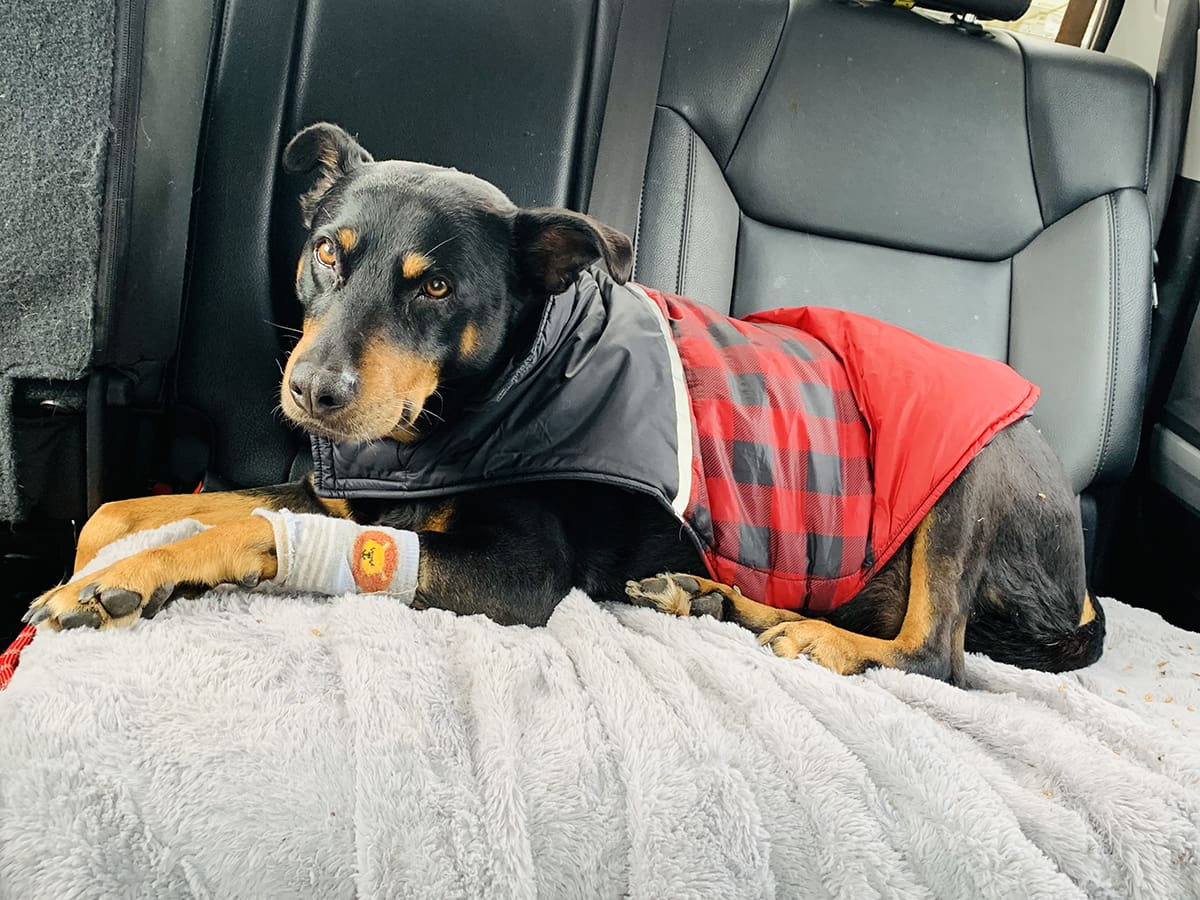
Tango. Featured Pet using Vet Immune Professional Tabs for arthritis, chewing, and itching.

Tango got his start in life as a street dog in Buenos Aires, Argentina.

He was hit by a car as a young pup- resulting in him having a crushed elbow, which healed painfully in the streets, resulting in him essentially being a 3.5-legged dog. His front elbow is held together with essentially scar tissue and bone fused together when it healed without medical intervention.

We brought Tango home to California with us when we were there on vacation. He’s the best dog, and we want the best for him.

Tango is eight now and has arthritis. He started to get fatty lumps and was very itchy. He had a lump on his front leg, and we had it surgically removed. Once it healed, he would chew this heck out of it- and it was constantly an open sore and a battle. Nothing medical we tried worked. We tried everything. We would heal the open sore on his leg by blocking him from chewing on it using an infant sock and horse tape, and it would heal to the point fur grew back (6-12 weeks). When we would take off the sock, he would go right back to chewing it and down to tissue in a minute.

Chewing and Itching Symptoms Improved

We started him on the Vet Immune Professional Tabs, which were given in meatballs. Two weeks later, the small fatty lumps on his back had gone down, and his sock bandage came off his leg. Miraculously, he hasn’t touched that leg at all – now it’s been 3 weeks of him not chewing or itching. We don’t put the sock on anymore. His coat looks amazing, and he is relaxed and happy. I can’t thank Dr. Raemaekers enough!


Professional Formula for Dogs and Cats

Vet Immune Professional Products are our professional veterinary immune products for dogs and cats. The powder and tabs are formulated for therapeutic use in animals as an adjunct to chemotherapy, surgery, or radiation. Incorporate the immune powder and tabs into any holistic or Western medicine therapy plan.

The owner’s feedback is excellent when using our Vet Immune Professional Products for cancer patients. This formula offers pet owners a viable alternative for therapy when chemo, surgery, or radiation is not an option. It also provides excellent nutritional and patient support when used adjunctively with traditional cancer therapy protocols.

Dr. Ramaekers’ Vet Immune Professional Products addresses several areas of need in these critically ill patients.

Applications

  • Auto-Immune Disorders
  • Dermatitis~ Bacterial & Fungal
  • Allergies-respiratory & skin
  • Bone Marrow Dysfunction/Pancytopenia/
  • Lymphocytic Leukemia
  • Vaccine Response Enhancement
  • Improved Athletic Performance & Endurance
  • Anti-Viral Effects
  • Stress-induced diarrhea
  • Degenerative Joint Disease/Arthritis
  • Tumor Size Reduction
  • Thyroid Conditions
  • Canine Cancers~ Benign & Malignant

The patented Transfer Factor and Medicinal Mushroom blend greatly improved immune function to help battle cancer on a cellular level. The medicinal mushrooms offer anti-angiogenic properties to help starve the tumor of its essential blood supply, improving cellular energy production(ATP) and lung oxygen absorption.

Posted on

Vaccination and Titer Testing

Vaccination and Titer Testing.

Dogs and Cats

What we need to know

Professor Michael J. Day

BSc BVMS(Hons) PhD DSc DiplECVP FASM FRCPath FRCVS

School of Veterinary Sciences, University of Bristol

INTRODUCTION: Vaccination and Titer Testing

Dogs and Cats

Vaccination delivery to dogs and cats has changed in the past decade. In response to questions over vaccine safety, guidelines groups have introduced new vaccination schedules that vaccine manufacturers have accommodated by introducing products with extended duration of immunity (DOI) and products with fewer antigenic components. The latest advance in vaccinology is the availability of simple in-practice test kits that demonstrate whether an individual animal has serological evidence of protection. These test kits can now inform decision-making about vaccination in practice. This presentation briefly reviews recommended vaccination schedules and focuses on the potential applications for in-house serological testing.

VACCINATION GUIDELINES: Vaccination and Titer Testing

Dogs and Cats

The WSAVA Vaccination Guidelines, as endorsed by BSAVA, consider vaccines as CORE or NON-CORE. CORE vaccines are those that every dog or cat should receive as they confer protection against diseases that are life-threatening or of significant morbidity. Even in developed countries, these diseases have not been eliminated, and the occurrence of regional outbreaks indicates the importance of maintaining herd immunity through vaccination. The CORE vaccine-preventable diseases of the dog are those induced by canine distemper virus (CDV), canine parvovirus-2 (CPV), and canine adenovirus-1 (CAV).

The CORE vaccine-preventable diseases of the cat are those induced by feline parvovirus (FPV), feline calicivirus (FCV), and feline herpesvirus-1 (FHV). WSAVA guidelines encourage the use of NON-CORE vaccines after making an appropriate benefit-risk analysis tailored to the individual pet’s lifestyle and risk of exposure. For that reason, in the UK, practitioners generally include vaccines to prevent leptospirosis as a CORE canine vaccine. They may include feline leukemia virus (FeLV) vaccines in the CORE feline vaccination schedule.

Modified live virus (MLV) or ‘infectious’ CORE vaccines should be administered to puppies and kittens from 8 – 9 weeks of age, with a second dose given 3 – 4 weeks later and a final dose between 14 – 16 weeks. This change ensures that all pups and kittens can mount at least a primary immune response to vaccination, even when maternally-derived antibody (MDA) persists to 12 weeks of age. Pups and kittens should also receive a booster CORE vaccine either 12 months after the final of the early life series or at 12 months of age.

Adult dogs and cats should receive MLV CORE vaccines no more frequently than every three years.

WSAVA recommendations also call for a triennial revaccination with FeLV. In the UK, most canine CORE vaccines on the market now carry a licensed 3-year DOI, and at least some FPV vaccines are licensed for triennial use. NON-CORE or ‘non-infectious’ vaccines other than FeLV must still be given annually to adult animals where these products are incorporated into an individualized vaccination program.

The overarching new concept in vaccination is that vaccines be delivered as one component of an ‘annual health check’ consultation that addresses all aspects of the health and well-being of the individual animal. Vaccination programs should be tailored to the requirements of the specific pet (individualized medicine) based on a thorough assessment of that animal’s lifestyle and risk factors. Most UK practitioners will currently administer triennial MLV CORE vaccines to the dog with an annual leptospirosis vaccine. Practitioners will also use a triennial program for feline CORE vaccines. Still, where an individual cat is perceived as having a higher risk for the feline infectious respiratory disease complex, that cat may receive annual FCV and FHV components, which are available as a separate combination product.

CORRELATES OF PROTECTION: Vaccination and Titer Testing

Dogs and Cats

For licensing studies, it is still necessary for animals to be used in experimental challenge studies in which vaccinated animals are challenged with the virulent form of a pathogen some time (e.g., 3 or 4 years) after vaccination to demonstrate either sterilizing immunity (failure of the pathogen to infect) or amelioration of clinical disease (infection occurs but the effects are limited). Studies over the decades have shown strong correlates of protection in such challenging studies.

For CDV, CPV, CAV, and FPV, the presence of serum antibodies that neutralize infectious viruses and prevent infection and disease provides a robust correlate of protection. This correlation is so strong that it is possible to state that the presence of serum antibodies to one of those viruses equates definitively with protective immunity. Some regulatory authorities are now beginning to accept seroprotection rather than an experimental challenge in modulating license claims. The presence of serum antibodies does not, however, provide a correlate of immunity for FCV and FHV protection. For respiratory pathogens such as FCV, mucosal secretory IgA provides a correlate of protection, but it is impossible to measure these antibodies routinely. For FHV, there is a stronger correlation between safety and cell-mediated immunity (CMI), but it is challenging to measure CMI on a routine basis.

GOLD STANDARD TESTS: Vaccination and Titer Testing

Dogs and Cats

Traditionally, two gold standard tests for CORE virus infections have measured the correlation between challenge immunity and seroprotection. These are the virus neutralization (VN) and haemagglutination inhibition (HAI) tests. A positive VN test indicates that serum from the animal contains antibodies that will neutralize infectious virus particles in vitro and prevent them from subsequently producing infection and cell damage (as assessed by the cytopathic effect on cells in vitro). A positive HAI test indicates that serum from the animal contains antibodies that will bind to infectious virus particles and neutralize the ability of that virus to cause agglutination of erythrocytes from particular animal species.

An excellent correlation exists between a positive VN test and protection against CDV, CPV, CAV, FPV, and rabies. There is also an excellent correlation between a positive HAI test and protection against CPV and FPV. For FCV, the positive VN test and protection correlation are considered only good to fair (as secretory IgA provides a better measure). For FHV, the positive VN test and protection correlation are only fair (as CMI is a better correlate of immunity).

Other serological test methods (e.g., ELISA or IFA-based) must, in turn, be correlated with the gold standard VN or HAI tests. Both of the in-house test systems that will be described below have had such correlation and validation with sera derived from animals in challenge studies tested by the
gold standards.

THE CONCEPT OF TITER: Vaccination and Titer Testing

Dogs and Cats

A titer measures the concentration of antibodies in a serum sample. Obtaining a titer involves performing an immunological test in which the serum sample is subjected to a series of doubling dilutions (that progressively reduce the antibody concentration). Each serum dilution is tested, and the highest dilution that gives an unequivocally positive reaction in the test provides the titer. The titer is the reciprocal of that dilution (e.g., a dilution of 1/10 provides a titer of 10).

Testing laboratories have traditionally provided a titer for serological tests of antibodies related to vaccine protection. The actual number may sometimes differ for the same sample tested by different laboratories. The number is relatively arbitrary as the titer is not a single defined
number but represents a range. For example, a sample with a titer of 10 indicates that the value is not less than 5 and not more than 20 (one doubling dilution above and below the titer). A sample with a titer of 1280 has a titer that is not less than 640 and not more than 2560. In
this regard, a titer of 640 from one laboratory is the same as one of 2560 from another testing laboratory.

For this reason, the WSAVA Vaccination Guidelines Group encourages practitioners to consider that any titer (above the cut-off for the gold standard test; typically 20 for HAI and 100 for VN) should be regarded as positive, and protection in challenge studies is still conferred throughout a broad spectrum of titers. For this reason, the new in-house test kits either provide a simple yes-no answer or a semiquantitative score, as antibodies above control levels correlate with protection (for those diseases defined above).

IN-HOUSE TEST KITS: Vaccination and Titer Testing

Dogs and Cats

Now, two companies produce in-house test kits for the determination of protective serum antibodies to CORE infectious diseases post-vaccination. Both test kit systems are simple to use, provide a rapid answer (protection or not) within 20 – 30 minutes, and are relatively inexpensive (costing around the same for testing as for revaccinating the animal). Several diagnostic laboratories have validated both test kit systems and correlated them with gold-standard tests. The test kits are the TiterCHEKTM system (manufactured by Synbiotics and now owned and distributed by Pfizer) and the VacciCheckTM system (produced by Biogal Laboratories).

The TiterCHEKTM system provides a yes-no (protected or not protected) answer for CDV and CPV. The VacciCheckTM system provides a semiquantitative score for serum antibody titers against CDV, CAV, and CPV. A feline VacciCheckTM system scores serum antibody titers against FPV, FCV, and FHV. The kits have excellent overall sensitivity (detecting samples with antibodies from those seropositive by gold standard) and specificity (detecting samples without antibodies from those seronegative by gold standard).

A set of excellent ‘YouTube’ videos produced by the US Charity ‘Maddie’s Fund’ is available on the web that provides very clear instructions on how to perform and interpret each of these test systems. Minor differences between the two systems are summarized below:

Vaccination and Titer Testing

APPLICATIONS OF IN-HOUSE TESTING

To Determine Puppy Protection and Detect Genetic Non-Responders: Using in-house test kits provides a simple measure of whether a puppy (CDV, CAV, CPV) or kitten (FPV) is protected after the initial series of early life vaccinations. This has the benefit of identifying animals that may not have responded to early life vaccination (particularly where a 14 – 16-week vaccine is not given) and may remain unprotected until the time of the 12-month booster. At this stage, a seropositive and protected animal may not require the 12-month booster and could go straight to a triennial CORE vaccination program.

WSAVA guidelines recommend the final CORE vaccination at 14 – 16 weeks.

The puppy can be tested 2 weeks after this vaccination (typically at 18 weeks). Seropositivity at this stage indicates that the pup has made an endogenous immune response to the vaccine, as there can be no MDA remaining at this time. A seronegative puppy at 18 weeks should be revaccinated (perhaps with an alternative product) and then tested 2 weeks later. A positive result indicates protection. A second negative result may indicate that the pup is either a ‘low responder’ or a ‘non-responder.’ Performing a gold standard test at this stage may show the low antibody titer typical of a low responder dog. Such an animal will be protected from clinical disease but not from infection.

Alternatively, the dog may lack antibodies and be a genetic non-responder incapable of ever making an immune response to that particular antigen.

Such dogs are, therefore, susceptible to infection and disease for life. Dogs of the Rottweiler breed have a higher proportion of genetic non-responders to parvovirus and rabies virus vaccines. Although non-responder rottweilers are no longer recognized in the US (the gene pool has been selected against them), they are still seen in Europe. Genetic non-responders generally cannot respond to one (rather than all) CORE vaccine antigens. The estimated prevalence of non-responders (US data) for CPV is 1 in every 1000 dogs and 1 in every 5000 dogs for CDV. CAV non-responders are rare (estimated < 1 in every 100,000 dogs).

A recent Danish study has evaluated seroconversion in a population of 135 pups aged between 8 weeks and 12 months. Most of these dogs will have finished an early life protocol (unlikely to have included a 14 – 16 week vaccine) but have not yet received a 12-month booster. The prevalence of
As determined by VacciCheckTM testing, 25.3% of this population were nonresponders for CPV, 20.7% for CAV, and 12.6% for CDV.

To Decide about the Vaccination of a ‘Lapsed’ Adult Dog

Much is currently made of revaccinating ‘lapsed’ adult or adult dogs adopted without a vaccination history. Most current data sheets for MLV CORE vaccines suggest that it is necessary to treat such animals as puppies and give two injections 3 – 4 weeks apart. Immunologically, an adult dog can be primed, immunized, and boosted from a single injection of MLV CORE vaccine, as there is no inhibitory MDA.

However, such dogs may not require vaccination at all, either because they have been previously vaccinated or, in some instances, have acquired natural immunity from field exposure to the virus. Owners may, therefore, be offered serology rather than automatic vaccination in this circumstance. An adult dog with serum antibodies to CDV, CAV, and CPV is protected already and does not require revaccination at that point. Similarly, a ‘lapsed’ or adopted adult cat with serum FPV antibody is protected and does not require that component of the vaccine at that time point.

To Minimize Risk in an Animal Previously Having an Adverse Reaction to a Vaccine

Adverse reactions of a broad spectrum are recognized post-vaccination in dogs and cats. The prevalence of these is low, and most have mild and transient effects. However, some (e.g., canine immune-mediated disease) are potentially life-threatening. If there is a suspicion that vaccination might have triggered a disease, then such animals should be subject to rigorous benefit-risk analysis before revaccination is considered. For CORE vaccine antigens, this decision is now made simpler by the availability of in-house serology. A dog with serum antibodies to CDV, CAV, and CPV does not require revaccination with MLV CORE vaccines, and serious consideration should be given to which NON-CORE products such an animal receives.

Serology Replacing Revaccination in an Annual Health Check

The Annual Health Check concept is gaining momentum in the US and Europe. So, too, is the adoption of triennial CORE revaccination schedules for adult animals. However, many US practices have continued in this rapidly changing arena. Instead of offering triennial CORE revaccination, these practices now provide the alternative of triennial serological testing using one of the in-house systems. Seropositive dogs (or cats seropositive for FPV) are not revaccinated with CORE vaccines as these are not required. NON-CORE vaccines may still be used annually, and FCV and FHV revaccination might be considered annually for cats at risk. Where this approach is used, the testing interval is reduced to annually for senior animals (dogs > 10 years and cats >15 years) to ensure that immunosenescence (aging of the immune system) is not an issue.

Management of Disease Outbreaks in Shelters

One of the most valuable applications of in-house serology has been managing infectious disease outbreaks in shelters, specifically for CDV, CPV, and FPV outbreaks. The ability to rapidly and cheaply test populations to identify animals that are protected or susceptible has allowed many animals to live that might otherwise have been euthanized as they were of unknown status.

In the face of a disease outbreak, all animals currently resident within the shelter should be tested. Those who are seropositive are protected and will not become infected or die. This protected population should be separated from low or negative responder animals, which should be isolated. The susceptible population should not be adopted out of the shelter until at least 2 weeks for CPV or FPV or until at least 6 weeks for CDV (reflecting the incubation periods of the diseases). The susceptible population might be retested after these intervals.

The second population to be considered is those animals that wish to enter the shelter. These should also be tested before considering admission. Seropositive animals may enter as they are protected from disease. Seronegative animals should be vaccinated and then ideally sent to foster homes. They should not be allowed to enter the shelter until they have seroconverted (when retested two weeks later).

This approach has proven successful in controlling infectious disease outbreaks in shelters. However, it is not applicable to outbreaks of the feline infectious respiratory disease complex, as serology is not correlated with protection.

FURTHER READING AND INFORMATION

http://www.wsava.org/VGG1.htm [WSAVA Vaccination Guidelines]

http://www.maddiesfund.org/ [videos on performing and interpreting in-house tests and use of
serology in control of outbreaks in shelters]

DiGangi BA, Gray LK, Levy JK, Dubovi EJ, Tucker SJ (2011) Detection of protective antibody titers
against feline panleukopenia virus, feline herpesvirus-1, and feline calicivirus in shelter cats using a
point-of-care ELISA. Journal of Feline Medicine and Surgery 13, 912-918.

Lund JD, Prior M, Madsen L (2012) Testing dogs for immunity against canine parvovirus, canine
distemper virus, and infectious canine hepatitis. Unpublished data.

Mazar SS, Dubovi EJ, Lavi Y, Lappin M (2009) Sensitivity, specificity, accuracy, and difference between positive and negative mean results of the ImmunoCombTM Feline VacciCheck antibody test kit for
feline calicivirus, rhinotracheitis, and panleukopenia. Unpublished data.

Mazar S, Larson L, Lavi Y (2009) Sensitivity-specificity-accuracy and difference between positive and negative mean results of the ImmunoCombTM Canine VacciCheck antibody test kit for canine
distemper, parvo and adenovirus. Unpublished data.

Waner T, Mazar S, Keren-Kornblatt (2006) Application of a dot enzyme-linked immunosorbent assay
for evaluation of the immune status to canine parvovirus and distemper virus in adult dogs before
revaccination. Journal of Veterinary Diagnostic Investigation 18, 267-270.

Posted on

Purdue Vaccination Studies

Purdue Vaccination Studies.

And Auto-antibodies

By Catherine O’Driscoll – Reprinted with permission from Dogs Naturally Magazine. Copyright (C) 2015 All Rights Reserved.

Purdue University School of Veterinary Medicine

A team at Purdue University School of Veterinary Medicine conducted several studies (1, 2) to determine if vaccines can cause changes in the immune system of dogs. These changes might lead to life-threatening immune-mediated diseases. The Purdue Vaccination Studies and Auto-antibodies. They conducted this research because concerns already existed. The Haywood Foundation sponsored it. They sought evidence that such changes in the human immune system might also be vaccine-induced. It found the evidence.

The vaccinated, but not the non-vaccinated, dogs in the Purdue studies developed autoantibodies to many of their biochemicals, including fibronectin, laminin, DNA, albumin, cytochrome C, cardiolipin, and collagen.

This means that the vaccinated dogs — ”but not the non-vaccinated dogs”– were attacking their fibronectin, which is involved in tissue repair, cell multiplication and growth, and differentiation between tissues and organs in a living organism.

Vaccines appear to be capable of removing cells’ natural intelligence.

The vaccinated Purdue dogs also developed autoantibodies to laminin, which is involved in many cellular activities, including cell adhesion, spreading, differentiation, proliferation, and movement. Vaccines, thus, appear to be capable of removing cells’ natural intelligence.

Autoantibodies to cardiolipin are frequently found in patients with the severe disease systemic lupus erythematosus, and also in individuals with other autoimmune diseases. Elevated anti-cardiolipin antibodies are significantly associated with clots within the heart or blood vessels, poor blood clotting, hemorrhage, bleeding into the skin, fetal loss, and neurological conditions.

The Purdue studies also found that vaccinated dogs developed autoantibodies against their collagen. About one-quarter of all the protein in the body is collagen. Collagen provides structure to our bodies, protecting and supporting the softer tissues and connecting them with the skeleton. No wonder Canine Health Concern’s 1997 study of 4,000 dogs showed many dogs developing mobility problems shortly after vaccination (noted in my 1997 book, What Vets Don’t Tell You About Vaccines).

DNM ACADEMY EXTRA: SAFER VACCINES & NOSODES

Dr. Dee Blanco will discuss the dangers of vaccinating your dog and why this alternative is so popular!

Not an Academy Member?

Get access to this course plus all the Academy has to offer for just $1

Perhaps most worryingly, the Purdue studies found that the vaccinated dogs had developed autoantibodies in their DNA. Did the alarm bells sound? Did the scientific community call a halt to the vaccination program? No. Instead, they stuck their fingers in the air, saying more research is needed to ascertain whether vaccines can cause genetic damage. Meanwhile, the study dogs were found in good homes, but no long-term follow-up has been conducted.

American Veterinary Medical Association (AVMA) Vaccine-Associated Feline Sarcoma Task Force

At around the same time, the American Veterinary Medical Association (AVMA) Vaccine-Associated Feline Sarcoma Task Force initiated several studies to find out why 160,000 cats in the USA develop terminal cancer each year at their vaccine injection sites. (3) The fact that cats can get vaccine-induced cancer has been acknowledged by veterinary bodies worldwide. Even the British Government acknowledged it through its Working Group. They were charged with looking into canine and feline vaccines (4), following pressure from Canine Health Concern. What do you imagine was the advice of the AVMA Task Force, veterinary bodies, and governments? “Carry on vaccinating until we find out why vaccines are killing cats and which cats are most likely to die.”

To mitigate the problem in America. They’re vaccinating cats in the tail or leg so they can amputate when cancer appears. Great advice if it’s not your cat amongst the hundreds of thousands on the “oops” list.

In August 2003, the Journal of Veterinary Medicine published an Italian study. The study shows that dogs also develop vaccine-induced cancers at their injection sites.

But other species are okay. Wrong. In August 2003, the Journal of Veterinary Medicine published an Italian study. This study shows that dogs also develop vaccine-induced cancers at their injection sites. (5) We already know that vaccine-site cancer is a possible sequel to human vaccines, too. Since the Salk polio vaccine was said to carry a monkey retrovirus (from cultivating the vaccine on monkey organs) that produces inheritable cancer. The monkey retrovirus SV40 keeps turning up in human cancer sites.

No one warns pet owners before their animals are subjected to an unnecessary booster.

It is also widely acknowledged that vaccines can cause a fast-acting, usually fatal, disease called autoimmune hemolytic anemia (AIHA). Without treatment, and frequently with treatment, individuals can die in agony within a matter of days. Merck, a multinational vaccine manufacturer, states in The Merck Manual of Diagnosis and Therapy that autoimmune hemolytic anemia may be caused by modified live-virus vaccines, as do Tizard’s Veterinary Immunology (4th edition) and the Journal of Veterinary Internal Medicine. (6) The British Government’s Working Group, despite being staffed by vaccine-industry consultants who say they are independent, also acknowledged this fact. However, no one warns pet owners before their animals are subjected to an unnecessary booster, and very few owners are told why after their pets die of AIHA.

A Wide Range of Vaccine-induced Diseases: The Purdue Vaccination Studies and Auto-antibodies

Our 1997 survey also found some worrying correlations between vaccine events and the onset of arthritis. Research in the human field compounded our concerns.

For example, the New England Journal of Medicine reported that isolating the rubella virus from affected joints in children vaccinated against rubella is possible. It also told of the isolation of viruses from the peripheral blood of women with prolonged arthritis following vaccination. (7)

Then, in 2000, CHC’s findings were confirmed by research. The research showed that polyarthritis and other diseases like amyloidosis, which affects organs in dogs, were linked to the combined vaccine given to dogs. (8) There is a vast body of research, despite the lack of funding from the vaccine industry, to confirm that vaccines can cause a wide range of brain and central nervous system damage. Merck states in its Manual that vaccines (i.e., its products) can cause encephalitis and brain inflammation/damage. In some cases, encephalitis involves lesions in the brain and throughout the central nervous system. Merck states, “Examples are the encephalitides following measles, chickenpox, rubella, smallpox vaccination, vaccinia, and many other less well-defined viral infections.”

When the dog owners who took part in the CHC survey reported that their dogs developed short attention spans, 73.1% did so within three months of a vaccine event. The same percentage of dogs were diagnosed with epilepsy within three months of a shot (but usually within days). We also found that 72.5% of dogs whose owners considered nervous and of a worrying disposition first exhibited these traits within the three-month post-vaccination period.

Encephalitis, incidentally, is a disease that can manifest across the scale from mild to severe and can also cause sudden death.

I want to add, for the sake of Oliver, my friend who suffered from paralyzed rear legs and died shortly after a vaccine shot, that “paresis” is listed in Merck’s Manual as a symptom of encephalitis. This is defined as muscular weakness of a neural (brain) origin, which involves partial or incomplete paralysis resulting from lesions at any level of the descending pathway from the brain. Hind limb paralysis is one of the potential consequences. Encephalitis, incidentally, is a disease that can manifest across the scale from mild to severe and can also cause sudden death.

Organ failure must also be suspected shortly after a vaccine event.

Dr Larry Glickman, who spearheaded the Purdue research into post-vaccination biochemical changes in dogs, wrote in a letter to Cavalier Spaniel breeder Bet Hargreaves:

“Our ongoing studies of dogs show that following routine vaccination, there is a significant rise in the antibodies dogs produce against their tissues. Some of these antibodies have been shown to target the thyroid gland and connective tissue, such as those found in the valves of the heart, red blood cells, DNA, etc. I believe that the heart conditions in Cavalier King Charles Spaniels could result from repeated immunizations by vaccines containing tissue culture contaminants that cause a progressive immune response directed at connective tissue in the heart valves. The clinical manifestations would be more pronounced in dogs with a genetic predisposition, although the findings should generally apply to all dogs regardless of their breed.”

I must mention here that Dr Glickman believes that vaccines are a necessary evil, but safer vaccines must be developed.

Vaccines Stimulate an Inflammatory Response:

The word “allergy” is synonymous with “sensitivity” and “inflammation.” It should, by rights, also be synonymous with the word “vaccination.” Vaccines do this by sensitizing (rendering an individual allergic) and forcing them to develop antibodies to fight a disease threat. In other words, as is acknowledged and accepted, the body will respond with inflammation as part of the vaccine process. This may be temporary or longstanding.

Holistic doctors and veterinarians have known this for at least 100 years. They discuss various inflammatory or “-itis” diseases that arise shortly after a vaccine event. Vaccines plunge many individuals into an allergic state. Again, this is a disorder that ranges from mild to suddenly fatal. Anaphylactic shock is the culmination: it’s where an individual has a massive allergic reaction to a vaccine and will die within minutes if adrenaline or its equivalent is not administered.

Some individuals are genetically not well placed to withstand the vaccine challenge.

These are the people (and animals are “people,” too) who have inherited faulty B and T cell functions. B and T cells are components within the immune system that identify foreign invaders, destroy them, and hold the invaders in memory so that they cannot cause future harm. However, where inflammatory responses are concerned, the immune system overreacts and causes unwanted effects such as allergies and other inflammatory conditions.

Merck warns in its Manual that patients with, or from families with, B and/or T cell immunodeficiencies should not receive live-virus vaccines. Stating that it is due to the risk of severe or fatal infection. Elsewhere, it lists features of B and T cell immunodeficiencies such as food allergies, inhalant allergies, eczema, dermatitis, neurological deterioration, and heart disease. To translate, people with these conditions can die if they receive live-virus vaccines. Their immune systems are not competent enough to guarantee a healthy reaction to the viral assault from modified live-virus vaccines.

Modified live-virus (MLV) vaccines replicate in the patient until an immune response is provoked. If a defense isn’t stimulated, the vaccine replicates until it gives the patient the disease it intended to prevent.

Alternatively, a deranged immune response will lead to inflammatory conditions such as arthritis, pancreatitis, colitis, encephalitis, and any number of autoimmune diseases, such as cancer and leukemia, where the body attacks its cells.

A new theory, stumbled upon by Open University student Gary Smith, explains what holistic practitioners have been saying for a long time. Here is what a few of the holistic vets have said about their patients:

Dr Jean Dodds:

“Many veterinarians trace the present problems with allergic and immunologic diseases to the introduction of MLV vaccines…” (9)

Christina Chambreau, DVM:

“Routine vaccinations are probably the worst thing that we do for our animals. They cause all types of illnesses, but not directly to where we would relate them definitely to be caused by the vaccine.” (10)

Martin Goldstein, DVM:

“I think that vaccines…are leading killers of dogs and cats in America today.”

Dr Charles E. Loops, DVM:

“Homoeopathic veterinarians and other holistic practitioners have maintained for some time that vaccinations do more harm than they provide benefits.” (12)

Mike Kohn, DVM:

“In response to this [vaccine] violation, there have been increased autoimmune diseases (allergies being one component), epilepsy, neoplasia [tumors], as well as behavioral problems in small animals.” (13)

A Theory on Inflammation:

Gary Smith explains what observant healthcare practitioners have been saying for a long time, but perhaps they’ve not understood why their observations led them to say it. His theory, incidentally, is causing a massive stir within the inner scientific sanctum. Some believe that his theory could lead to a cure for many diseases, including cancer. For me, it explains why the vaccine process is inherently questionable.

Gary was studying inflammation when he struck upon a theory so extraordinary that it could have implications for the treatment of almost every inflammatory disease, including Alzheimer’s, Parkinson’s, rheumatoid arthritis, and even HIV and AIDS.

Gary’s theory questions the received wisdom that when a person gets ill, the inflammation around the infected area helps it heal. He claims that, in reality, inflammation prevents the body from recognizing a foreign substance and, therefore, serves as a hiding place for invaders. The inflammation occurs when at-risk cells produce all receptors (angiotensin II type I receptors). He says At1 has a balancing receptor, At2, which is supposed to switch off inflammation, but this does not happen in most diseases.

“Cancer has been described as the wound that never heals,” he says. “All successful cancers are surrounded by inflammation. This is commonly thought to be the body’s reaction to fight the cancer, but this is not the case.

“The inflammation is not the body trying to fight the infection. It is the virus or bacteria deliberately causing inflammation to hide from the immune system [author’s emphasis].” (14)

If Gary is correct, the inflammatory process commonly stimulated by vaccines is not, as hitherto assumed, a necessarily acceptable sign. Instead, it could be a sign that the viral or bacterial component, or the adjuvant (which contains foreign protein and is seen as an invader by the immune system), in the vaccine, is winning by stealth.

If Gary is correct in believing that the inflammatory response is not protective but a sign that invasion is taking place under the cover of darkness, vaccines are certainly not the friends we thought they were. They are undercover assassins working on behalf of the enemy, and vets and medical doctors are unwittingly acting as collaborators. Worse, we animal guardians and parents are paying doctors and vets to betray our loved ones, unwittingly.

Potentially, vaccines are the stealth bomb of the medical world. They catapult invaders inside the castle walls, where they can wreak havoc, with none of us any the wiser. So rather than experiencing frank viral diseases such as the flu, measles, mumps, and rubella (and, in the case of dogs, parvovirus and distemper), we are allowing the viruses to win anyway—but with cancer, leukemia, and other inflammatory or autoimmune (self-attacking) diseases taking their place.

The Final Insult: The Purdue Vaccination Studies and Auto-antibodies

All 27 veterinary schools in North America have changed their protocols for vaccinating dogs and cats (15). However, vets in practice are reluctant to follow these changed protocols, and official veterinary bodies in the UK and other countries are ignoring the following facts.

Dogs’ and cats’ immune systems mature fully at six months. If a modified live-virus vaccine is given after six months of age, it produces immunity. This is suitable for the pet’s life. If another MLV vaccine is given a year later, the antibodies from the first vaccine neutralize the antigens of the second vaccine. There is little or no effect. The liter is not “boosted,” nor are more memory cells induced.

Annual boosters are unnecessary, subjecting the pet to potential risks such as allergic reactions and immune-mediated hemolytic anemia.

In plain language, veterinary schools in America, plus the American Veterinary Medical Association, have looked at studies to show how long vaccines last. They have concluded and announced that annual vaccination is unnecessary. (16-19)

Further, they have acknowledged that vaccines are not without harm. Dr Ron Schultz, head of pathobiology at the University of Wisconsin and a leading light in this field, has said this politely to his veterinary colleagues since the 1980s. I’ve been saying it for the past 12 years. But change is so long in coming, and, in the meantime, hundreds of thousands of animals are dying unnecessarily every year.

The good news is that thousands of animal lovers (but not enough) have heard what we’ve been saying. Canine Health Concern members worldwide use real food as Nature’s supreme disease preventative. Eschewing processed pet food and minimizing the vaccine risk. Some of us, including me, have chosen not to vaccinate our pets at all. Our reward is healthy and long-lived dogs.

It has taken but one paragraph to tell you the good and simple news. The gratitude I feel daily when I embrace my healthy dogs stretches from the center of the Earth to the Universe and beyond.

Endnotes: The Purdue Vaccination Studies and Auto-antibodies

  • 1. “Effects of Vaccination on the Endocrine and Immune Systems of Dogs, Phase II,” Purdue University, November 1, 1999, at http://www.homestead.com/vonhapsburg/haywardstudyonvaccines.html.
  • 2. See www.vet.purdue.edu/epi/gdhstudy.htm.
  • 3. See http://www.avma.org/vafstf/default.asp.
  • 4. Veterinary Products Committee (VPC) Working Group on Feline and Canine Vaccination, DEFRA, May 2001.
  • 5. JVM Series A 50(6):286-291, August 2003.
  • 6. Duval, D. and Giger, U. (1996). “Vaccine-Associated Immune-Mediated Hemolytic Anemia in the Dog,” Journal of Veterinary Internal Medicine 10:290-295.
  • 7. New England Journal of Medicine, vol.313,1985.
  • See also Clin Exp Rheumatol 20(6):767-71, Nov-Dec 2002.
  • 8. Am Coll Vet Intern Med 14:381,2000.
  • 9. Dodds, Jean W., DVM, “Immune System and Disease Resistance,” at http://www.critterchat.net/immune.htm.
  • 10. Wolf Clan magazine, April/May 1995.
  • 11. Goldstein, Martin, The Nature of Animal Healing, Borzoi/Alfred A. Knopf, Inc., 1999.
  • 12. Wolf Clan magazine, op. cit.
  • 13. ibid.
  • 14. Journal of Inflammation 1:3,2004, at http://www.journal-inflammation.com content/1/1/3.
  • 15. Klingborg, D.J., Hustead, D.R. and Curry-Galvin, E. et al., “AVMA Council on Biologic and Therapeutic Agents’ report on cat and dog vaccines”, Journal of the American Veterinary Medical Association 221(10):1401-1407, November 15,2002, http://www.avma.org/policies/vaccination.htm.
  • 16. ibid.
  • 17. Schultz, R.D., “Current and future canine and feline vaccination programs,” Vet Med 93:233-254,1998.
  • 18. Schultz, R.D., Ford, R.B., Olsen, J. and Scott, P., “Titer testing and vaccination: a new look at traditional practices,” Vet Med 97:1-13, 2002 (insert).
  • 19. Twark, L. and Dodds, W.J., “Clinical application of serum parvovirus and distemper virus antibody titers for determining revaccination strategies in healthy dogs,” J Am Vet Med Assoc 217:1021-1024,2000.

Posted on

Mechanism of Transfer Factor

Mechanism of Transfer Factor.

Balancing T-Helper Cell Activity

Mechanism of Transfer Factor

Question: How can Transfer Factor change a predominantly TH-2 Immune System to a TH-1 predominant System so rapidly?

Answer: In the case of Transfer Factor, clinicians have been well ahead of scientists and immunologists. Dr. Sherwood Lawrence, lead immunologist at New York University, discovered Transfer Factor in 1949. Though at the time, his discovery went no further than the library shelf. Now, there are an estimated 3,000 references to Transfer Factor in the literature worldwide. There are some on the adjuvants as well.

It has been a puzzle as to how transfer factors could have such rapid action if they depended upon the new production of T-helper cells from an exhausted immune system. Here is the mechanism: Eomesodermin.

T-Helper Cells develop along two different lines – TH-1 and TH-2.

TH-1 predominance modulates cell-mediated immunity and produces cytokines: IL-2, IFN-gamma, and TNF-alpha. TH-2 cells modulate humoral immunity, or antibody production, and produce IL-4, IL-5, IL-6, IL-10, and IL-13. TH-1 predominance increases the body’s ability to defend itself against viruses, fungi, parasites, cancer, and intracellular organisms.

TH-2 dominant states, with decreased cellular immunity and increased humoral immunity, tend to manifest as Allergies, Chronic Sinusitis, Atopic eczema, and Asthma. And in systemic autoimmune conditions such as CFS (now observed in horses), Lupus (SLE), Mercury-induced autoimmunity, Chronic Giardiasis, Chronic Candidiasis, viral infections, Ulcerative Colitis, and Cancer.

Transfer Factor augments cell-mediated immunity and modifies a TH-2 dominant state to TH-1 dominance.

If the TH-1 response has resulted in an inadequate attempt by the immune system to fight off and eliminate an infection or neoplasia, then Transfer Factor would augment that process and be effective in many cases. Clinically, one sees this in Crohn’s Disease, Multiple Sclerosis, and Chronic Lyme Disease. In these cases, Transfer Factors help and accentuate the efforts of an already TH-1 dominant immune system.

Mechanism of Transfer Factor: From SCIENCE, p. 1041, Vol. 302, Nov. 2003

“The attributes of “Helper” T-cells are governed by two master transcriptional regulators, GATA-3 and T-bet, which coordinate the expression of specific cytokine genes. However, neither appears critical to the CD8+ T-cell function, leading Pearce et al to explore other pathways that might specify the transcriptional program in these cells. The trail ended in the identification of Eomesodermin (Eomes), a T-box transcription factor related to T-bet and already characterized as a key regulator of mesodermal differentiation. Eomes was specifically up-regulated in activated CD8+ cells [one of TF’s actions], and forced cellular expression of the factor conferred CD8+ characteristics on cells that had already differentiated into TH-2 [T-helper type two] cells. [It was found that] Disruption of expression significantly reduced the CD8 cytolytic program and interferon Gamma expression.

Thus, Eomes cooperates with T-bet in regulating distinct aspects of cell-mediated immunity.”

Mechanism of Transfer Factor: Additional note

This is the mechanism of the transfer factor that increases the effectiveness of a TH-1 predominant immune system and influences change from a TH-2 state to a TH-1 state. In the past, we have not had an explanation of HOW TF affected the immune capability so rapidly. It is one thing to realize that new production T-helper cells could be configured into the TH-1’s, but with a marked effect in 48 hours and a height of effect in five days by TF, it seemed too fast – it takes ten days to two weeks for the production, maturation and configuration of T-cells. Now we see that the Eomes prompted by Transfer Factor while in circulation can convert TH-2s to TH-1s.

This is the point – Eomes was specifically up-regulated in activated CD8+ cells [one of TF’s actions], and forced cellular expression of the factor conferred CD8+ characteristics on cells that had already differentiated into TH-2.