
Posted on

Internal Parasites in Goats

Internal Parasites in Goats.

Strategic Management of Coccidiosis in Young Goats: Prevention, Intervention, and Environmental Control

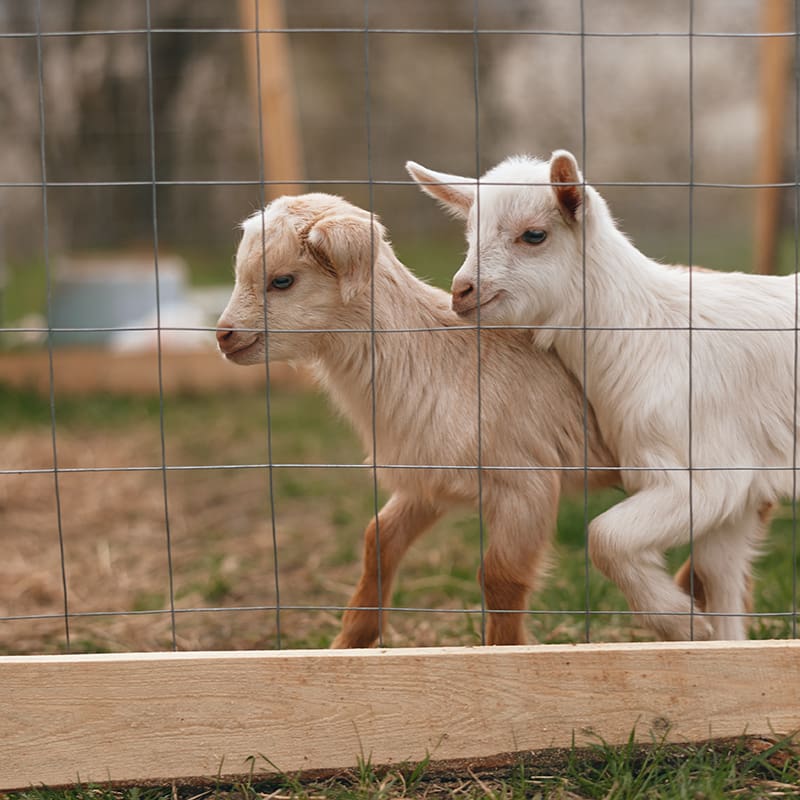
Managing coccidiosis requires a strategic approach because the causal protozoan parasite (Eimeria) targets the highly vulnerable digestive tracts of young kids. Implementing targeted pharmaceutical intervention during late gestation dramatically reduces the risk of transmission.


Interrupting the Periparturient Egg Rise

  • The transmission path: Adult goats develop strong immunity to Eimeria and show no clinical signs of illness. However, they remain asymptomatic carriers that continuously shed a low volume of microscopic, egg-like cysts, called oocysts, into the pasture and bedding.
  • The kidding spike: As a pregnant doe approaches birth, the physiological stress of late pregnancy suppresses her immune system. This triggers a biological phenomenon known as the periparturient rise, causing her intestinal tract to rapidly shed millions of oocysts exactly when her newborns are delivered.
  • The two-week intervention: Feeding a targeted coccidiostat (such as decoquinate, monensin, or lasalocid) to pregnant does during the final two weeks of gestation halts parasite replication in the adult’s intestines before birth. This preemptive strike significantly lowers the overall “environmental load” (the concentration of oocysts in the kidding stall), shielding newborns from a toxic wave of infection during their first days of life.

Creep and Starter Feed Consistency

  • Bridging the immunity gap: Newborn kids have zero natural immunity to parasites. As they begin to nibble on solid food around 2 to 3 weeks of age, incorporating a coccidiostat directly into their starter or creep feed acts as an internal shield.
  • Mechanism of coccidiostats: Unlike “coccidicides,” which actively kill mature parasites, coccidiostats slow down or arrest the development of early-stage protozoa. This prevents the parasite from rupturing intestinal cells, allowing the young animal’s immune system enough time to naturally recognize the threat and build permanent, lifelong immunity.
  • The danger of inconsistent feeding: Coccidiostats only work effectively if a steady, therapeutic level of the medication is maintained inside the gut. If feed intake is inconsistent, the parasite will immediately resume its rapid lifecycle, causing severe intestinal scarring, bloody diarrhea, permanent stunting, or death.

Environmental Dynamics: Cold and Wet Weather

  • Oocyst resilience: Eimeria oocysts are encased in a remarkably durable protective shell. They are highly resistant to standard chemical disinfectants and can survive in the environment for months.
  • The threat of damp cold: While extreme summer heat and direct sunlight dry out and destroy oocysts, cold, damp, and muddy conditions act as a perfect preservative.
  • The risk of confinement: During winter and early spring rain, goats crowd tightly together inside barns and sheds to seek shelter. This close confinement, paired with damp bedding and freezing temperatures, creates a high-density incubator in which goats are forced to sleep and eat directly on preserved, infectious fecal material.
  • Management counter-strategies: To break this cycle during wet seasons, producers must implement aggressive sanitation protocols:
    • Keep bedding deep and bone-dry: Frequently add fresh straw or wood shavings to trap moisture away from the surface.
    • Elevate feeding stations: Ensure all hay racks and feed troughs are raised high off the ground to prevent feces from contaminating the feed.
    • Ensure proper barn ventilation: Keep air moving to prevent high humidity and condensation from settling on the floor, which can speed up parasite transmission.

Debunking Myths: Effective Strategies for Goat Parasite Management

While the “Goat Worm Strategy” aims to tackle the critical issue of parasite management, the biological mechanisms described in these specific claims are popular myths that directly contradict modern veterinary science. Misunderstandings about worm behavior and dewormer rotation can inadvertently worsen parasite burdens and accelerate drug resistance.

To protect your herd, it is helpful to examine how these claims compare with established veterinary realities.


Fact vs. Myth in Goat Parasite Management

Claimed “Goat Worm Strategy” Modern Veterinary Reality

Worms cover their mouths and voluntarily exit the host when the gut’s pH changes.
Biologically impossible. Gastrointestinal nematodes like the Barber’s Pole worm (Haemonchus contortus) are physically incapable of creating oral membranes or choosing to migrate out of the host alive. They remain firmly attached to the stomach lining, feeding on blood until they die or are passively passed in feces.
Worm larvae starve and die exactly 42 to 45 days after the first green grass appears.Larval survival depends heavily on climate. While pasture rotation is highly effective, larvae do not have a strict 42-day expiration date. In cool, damp, or rainy weather, infectious larvae can survive on grass blades for several months. Conversely, hot, arid summer heat can kill them in just a couple of weeks.
Parasites lose their resistance to specific wormers every 18 months, requiring regular rotation.Resistance is a permanent genetic change. Once a population of worms on your farm mutates to survive a specific dewormer, those genetics remain in your pasture’s ecosystem indefinitely. Rapidly rotating wormers every few months or years is an outdated practice that actually accelerates multi-drug resistance.
Blanket deworming should routinely occur 30 days before kidding and throughout spring.Blanket treatments accelerate resistance. While does do experience an immune dip around kidding (the periparturient rise), routinely deworming the entire herd by the calendar eliminates “refugia”—the population of untreated, sensitive worms needed to keep the pasture gene pool healthy.

Modern Best Practices for Parasite Control

Instead of relying on fixed calendar schedules or blanket treatments, livestock extension offices and veterinarians recommend a dynamic approach:

  • The FAMACHA Scoring System: Regularly check the inside of your goats’ lower eyelids. Only deworm individuals showing pale, anemic membranes rather than treating the entire herd.
  • Selective Refugia: Leaving the healthiest, low-worm-burden goats untreated preserves a population of worms that are still susceptible to medication, keeping your dewormers effective for years.
  • Smart Pasture Rest: Rather than a strict 45-day rule, rest pastures for 60 to 90 days when possible, and ensure goats do not graze grass down to 4 to 6 inches, as 90% of worm larvae live in the bottom few inches of the plant.
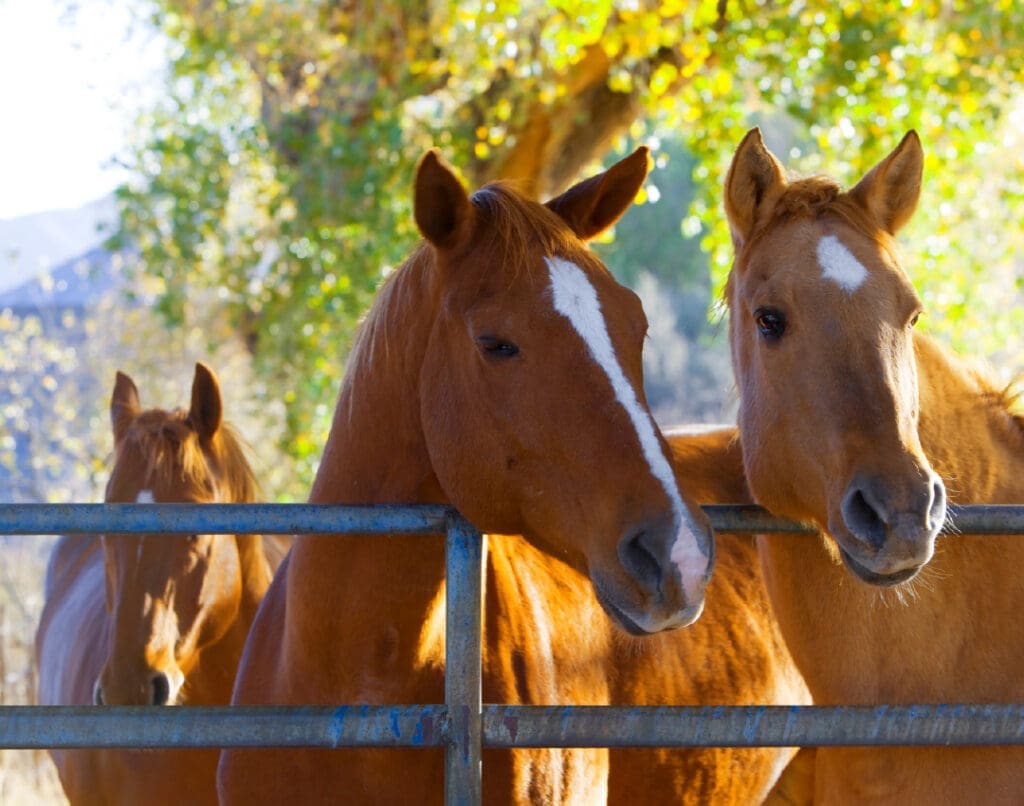
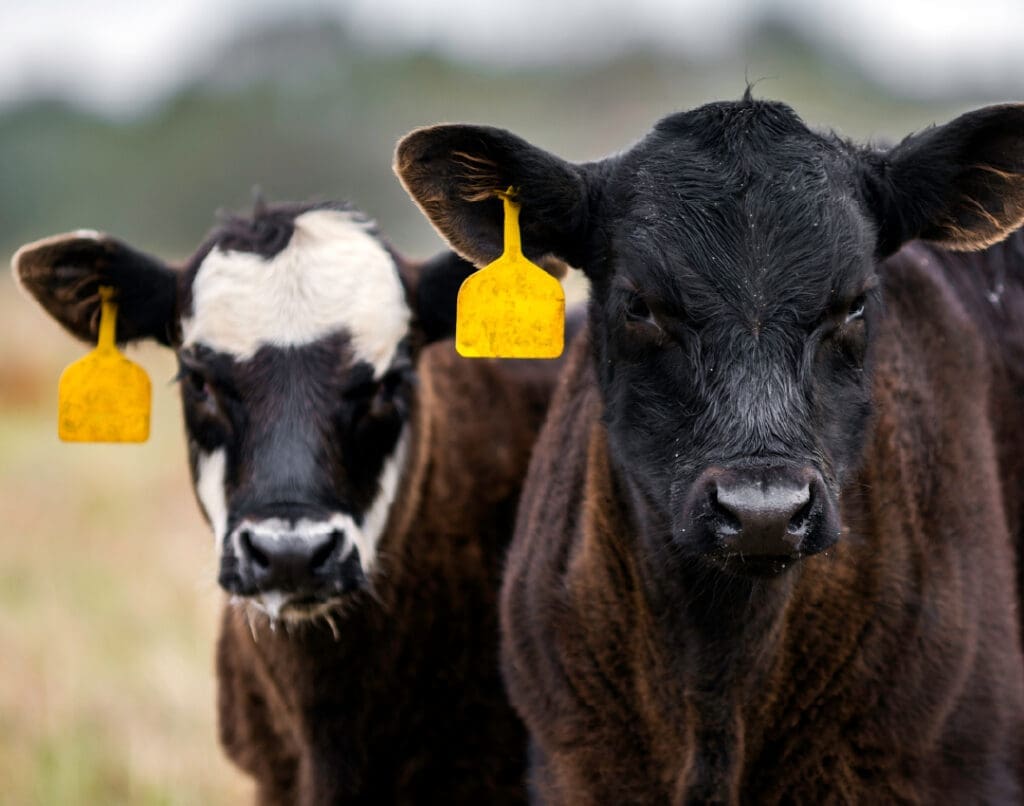
  • Multi-Species Grazing: Follow your goats with cattle or horses. These animals act as “vacuum cleaners,” consuming caprine worm larvae safely because goat parasites cannot survive inside them.

Goats and Sheep

Support the immune systems of goats and sheep to combat viral and bacterial infections, as well as stress-induced conditions. Learn more about our nutritional support for goats and sheep. For additional details, please refer to our dosing guidelines.
Posted on

Goat Facts

Fun Goat Facts!

Information compiled by Dr. Bob McClung

Fun Goat Facts!

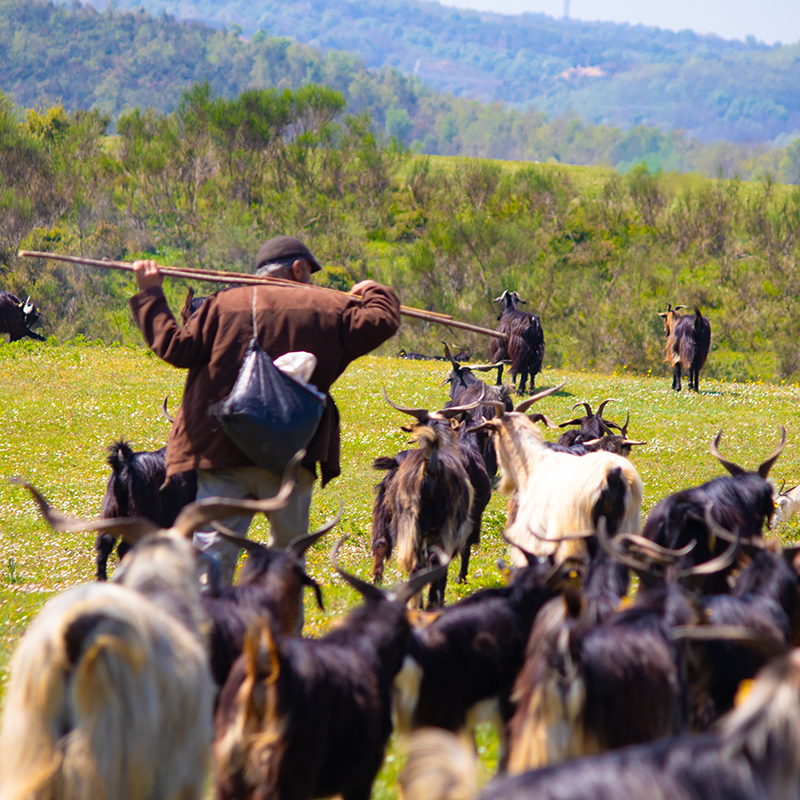
Goats are smart, social animals that were first domesticated over 10,000 years ago in the Fertile Crescent. They provide milk, meat, and fiber like cashmere. Herding them is hard because they are curious, stubborn, and independent rather than following a single leader like sheep.


Exploring the Intelligence and Social Behavior of Goats

Intelligence

Goats are impressive problem solvers, able to tackle complex puzzles and remember solutions for years, showcasing their intelligence and adaptability.

They also have strong communication skills, learn from one another, and recognize human facial expressions and emotions, which help build bonds with both their peers and humans.

Additionally, goats possess an understanding of object permanence, knowing that hidden objects still exist. This awareness enhances their ability to navigate their environment effectively and highlights their cognitive complexity.

Learn more about our nutritional support for goats and sheep.

Social Behavior

  • Friendships: Goats form strong bonds with specific peers and show grief when a friend dies.
  • Hierarchies: They establish clear dominance hierarchies through headbutting and posturing.
  • Curiosity: They explore their environment constantly by chewing and climbing on objects.

Challenges of Herding

  • Independent Streak: Goats lack a strong flocking instinct and scatter when startled.
  • Escape Artists: Their agility and climbing skills let them jump fences or squeeze through tiny gaps.
  • Browsers, Not Grazers: They wander off to eat bushes and tree bark instead of moving in a straight line.

Domestication and Uses

  • History: They were among the first animals domesticated by humans for steady food and materials.
  • Milk: Goat milk is easy to digest and widely used to make cheese.
  • Meat: Goat meat, often called chevon or cabrito, is a primary protein source globally.
  • Fiber: Breeds such as Cashmere and Angora produce soft, warm wool used in luxury clothing.

Goats: Humanity’s Ancient Partners in Agriculture and Their Unique Biological Traits

Goats belong to the family Bovidae (the cattle family) and are among humanity’s oldest agricultural partners. Below is a detailed, structural breakdown of the biological, historical, and behavioral traits that make goats exceptionally unique.


Evolution, Population, & Global Impact

  • Taxonomic placement: Goats belong to the family Bovidae alongside cattle, sheep, and bison, sharing the trait of being multi-stomached ruminants.
  • Ancient domestication: Tamed around 10,000 BCE in the Fertile Crescent, they transformed humans from hunter-gatherers to pastoralists.
  • Global distribution: Of roughly 450 million goats worldwide, China has the largest share (~170 million), while the US holds a small fraction (4%-6%).
  • Genetic diversity: Over 210 distinct breeds have evolved to survive in environments ranging from arid deserts to alpine peaks.

Anatomy & Biological Mechanisms

  • Panoramic vision: Rectangular pupils give goats a 320-to-340 degree field of vision to spot predators without moving their heads.
  • Night adaptation: Their wide, horizontal pupils allow maximum light intake, granting them exceptional night vision.
  • Internal fat storage: Unlike sheep or cattle that grow subcutaneous fat (marbling), goats store fat around their internal organs, leaving their meat incredibly lean.
  • Weather aversion: Lacking a dense, oily lanolin coating like sheep, goats have poor natural waterproofing, causing them to actively avoid rain to prevent hypothermia.
  • Parasite vulnerability: Because goats are natural browsers (eating high up on bushes) rather than grazers (eating grass), they lack evolutionary immunity to ground-based parasites, making them highly susceptible when forced to graze close to the dirt.

Dairy & Meat Chemistry

  • Global consumption: More people worldwide drink goat milk than any other animal dairy due to its availability in developing regions.
  • Digestive speed: Goat milk is naturally homogenized, meaning its fat globules are tiny and remain suspended. It digests in under 20 minutes, whereas cow’s milk requires hours.
  • Nutrient profile: It is inherently hypoallergenic for many because it lacks the specific alpha-s1-casein protein found in cow’s milk, and it contains higher baseline levels of calcium and vitamin A.
  • Nutritional value of meat: Goat meat (chevon or cabrito) is structurally leaner and lower in cholesterol than beef, pork, or chicken, making it a highly efficient protein source.

Fiber & Utility

  • Cashmere vs. mohair: Cashmere is the ultra-fine, insulating undercoat down pulled from specific winter-bred goats, while mohair is the long, silky outer coat sheared exclusively from Angora goats.
  • Lifespan and companionship: Living 8 to 12 years (and sometimes over 15), they have high emotional intelligence and a strong ability to bond, making them increasingly popular as companion animals.

Understanding Goats: Unique Behaviors, Biological Insights, and Management Practices

Goats possess biological mechanisms, historical associations, and behaviors that differentiate them significantly from other livestock. A detailed evaluation of these distinct characteristics illustrates their evolutionary adaptations and unique management requirements.


A Mythical Brew

The Tale of Kaldi and the Discovery of Coffee

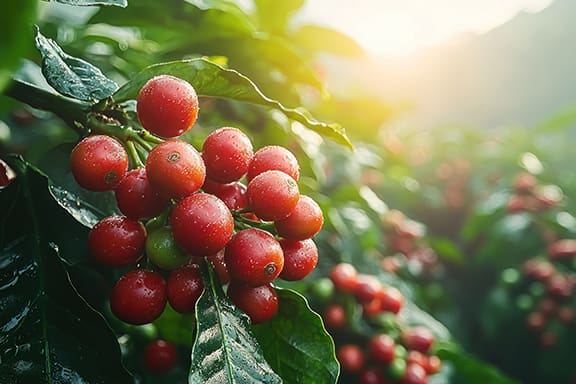
The Kaldi Legend: Ethiopian folklore attributes the discovery of coffee to a 9th-century goat herder named Kaldi.

Behavioral shift: Kaldi observed his herd executing energetic maneuvers and refusing to sleep after consuming bright red berries from a wild shrub.

Human adoption: The local abbot brewed a beverage from these berries and discovered it helped maintain mental alertness during extended evening prayers, laying the foundation for global coffee cultivation.

Discover of Coffee Berries.
Learn more about our nutritional support for goats and sheep.

Dairy Output, Gestation, & The “Goaty” Flavor

  • Volumetric production: A standard dairy goat produces 2 to 3 quarts of milk daily, though exceptional milkers yield over a gallon. (Note: The figure of 5,000 gallons annually applies only to large commercial operations or lifetime yields; an individual goat averages 150 to 300 gallons per lactation cycle).
  • Extended lactation: Certain breeds, such as Saanens, exhibit “extended lactation,” allowing them to be milked continuously for up to 2 to 5 years after a single pregnancy, bypassing the metabolic stress of annual breeding.
  • Buck effect on milk flavor: Male goats (bucks) secrete localized pheromones called caproic, caprylic, and capric acids from scent glands near their horns to attract mates. If lactating females are housed close to a mature buck during the breeding season. The milk fat absorbs these volatile airborne compounds, imparting an unpalatable, pungent flavor to the dairy.

Ocular Biology: The Tear Duct Clarification

  • Anatomical distinction: It is a common misconception that goats lack tear-producing structures entirely. Goats possess lacrimal glands and a functional third eyelid (nictitating membrane) that continuously generate tears to lubricate the cornea.
  • Vulnerability: However, goats lack an efficient nasolacrimal drainage system compared to other mammals, so airborne debris from hay and dusty pastures cannot be easily washed away, making them highly prone to physical irritation and infectious pinkeye.

Primary Illnesses & Dietary Selectivity

  • Coccidiosis: Caused by microscopic protozoan parasites (Eimeria), this condition disrupts the intestinal lining, primarily causing severe diarrhea and stunted growth in young kids.
  • Parasitic worms: The Barber’s Pole worm (Haemonchus contortus) consumes blood directly from the goat’s abomasum (true stomach), inducing profound anemia and life-threatening fluid accumulation (“bottle jaw”).
  • Pneumonia: Driven by environmental stressors such as damp housing or poor ventilation, pathogenic bacteria can easily compromise the delicate respiratory systems of those at risk.
  • Fastidious feeding: Despite their reputation for eating anything, goats are incredibly clean feeders. They strictly avoid feed contaminated by feces or urine, which serves as a natural behavioral defense mechanism against internal parasites.

Pasture Management, Pre-Grazing, & Toxins

  • Selective browsing: Goats are natural browsers, preferring woody plants, brush, and broadleaf weeds over traditional pasture grass.
  • Cattle synergy: Utilizing goats as “pre-grazers” controls invasive weeds, strips low-hanging brush, and clears tough vegetation. This optimizes field conditions so cattle can easily access the underlying grass.
  • Botanical toxicity: Azaleas, rhododendrons, and laurels contain grayanotoxins, which disrupt cellular sodium channels. Because the ruminant stomach lacks an efficient reverse-peristalsis mechanism for standard vomiting, active vomiting or projectile retching in a goat is a clinical emergency indicating acute toxic poisoning.

Goats and Sheep

Support the immune systems of goats and sheep to combat viral and bacterial infections, as well as stress-induced conditions. Learn more about our nutritional support for goats and sheep. For additional details, please refer to our dosing guidelines.